Embark on a journey to transform your home with our comprehensive guide to siding renovation. From exploring different siding materials to understanding the installation process, this engaging topic will provide you with the knowledge needed to revamp your home's exterior.
Delve deeper into the world of siding renovation as we uncover the key factors to consider and the latest trends shaping the industry.
Types of Siding Materials
When it comes to siding materials for renovations, there are several options to choose from, each with its own unique characteristics and benefits.
Vinyl Siding
Vinyl siding is a popular choice for its durability and low maintenance requirements. It is resistant to rot, mold, and insects, making it a long-lasting option for homeowners. Vinyl siding is also available in a wide range of colors and styles, offering versatility in design.
While it may not have the same aesthetic appeal as wood or fiber cement, vinyl siding is cost-effective and easy to install.
Wood Siding
Wood siding offers a natural and traditional look to a home, enhancing its curb appeal. While wood siding requires more maintenance than vinyl or fiber cement, with regular painting or staining needed to protect it from the elements, many homeowners appreciate its classic appearance.
Wood siding is a renewable resource, making it an environmentally friendly choice for those looking for sustainable options.
Fiber Cement Siding
Fiber cement siding is a durable and low-maintenance option that mimics the look of wood siding without the same level of upkeep. It is resistant to fire, rot, and pests, making it a long-lasting choice for homeowners. Fiber cement siding is available in a variety of textures and colors, offering versatility in design.
While it may be more expensive upfront than vinyl siding, its durability and longevity make it a cost-effective option in the long run.
Metal Siding
Metal siding, such as aluminum or steel, is known for its strength and resistance to harsh weather conditions. It is a low-maintenance option that requires minimal upkeep over the years. Metal siding is available in a variety of finishes, from matte to glossy, offering a modern and sleek look to a home.
While metal siding may be more expensive than vinyl or wood siding, its durability and energy efficiency make it a worthwhile investment for homeowners.
Factors to Consider Before Renovating Siding

Before embarking on a siding renovation project, homeowners should carefully consider several key factors to ensure the success and longevity of the project. From climate considerations to long-term maintenance, here are some important aspects to keep in mind.
Impact of Climate and Location on Siding Material
When choosing siding materials for your renovation project, it is crucial to take into account the climate and location of your home. Different materials perform differently based on factors such as temperature fluctuations, humidity levels, and exposure to harsh weather conditions.
For example, vinyl siding is a popular choice in areas with moderate climates, while fiber cement siding is more suitable for regions with extreme weather variations.
Importance of Insulation, Energy Efficiency, and Long-Term Maintenance
Insulation is a key factor to consider when renovating siding, as it can significantly impact the energy efficiency of your home. Properly insulated siding can help regulate indoor temperatures, reduce energy costs, and improve overall comfort. Additionally, choosing low-maintenance siding materials can save you time and money in the long run, as they require less upkeep and repairs.
Prioritizing energy efficiency and long-term maintenance during the renovation process can help you create a more sustainable and cost-effective home exterior.
Siding Installation Process
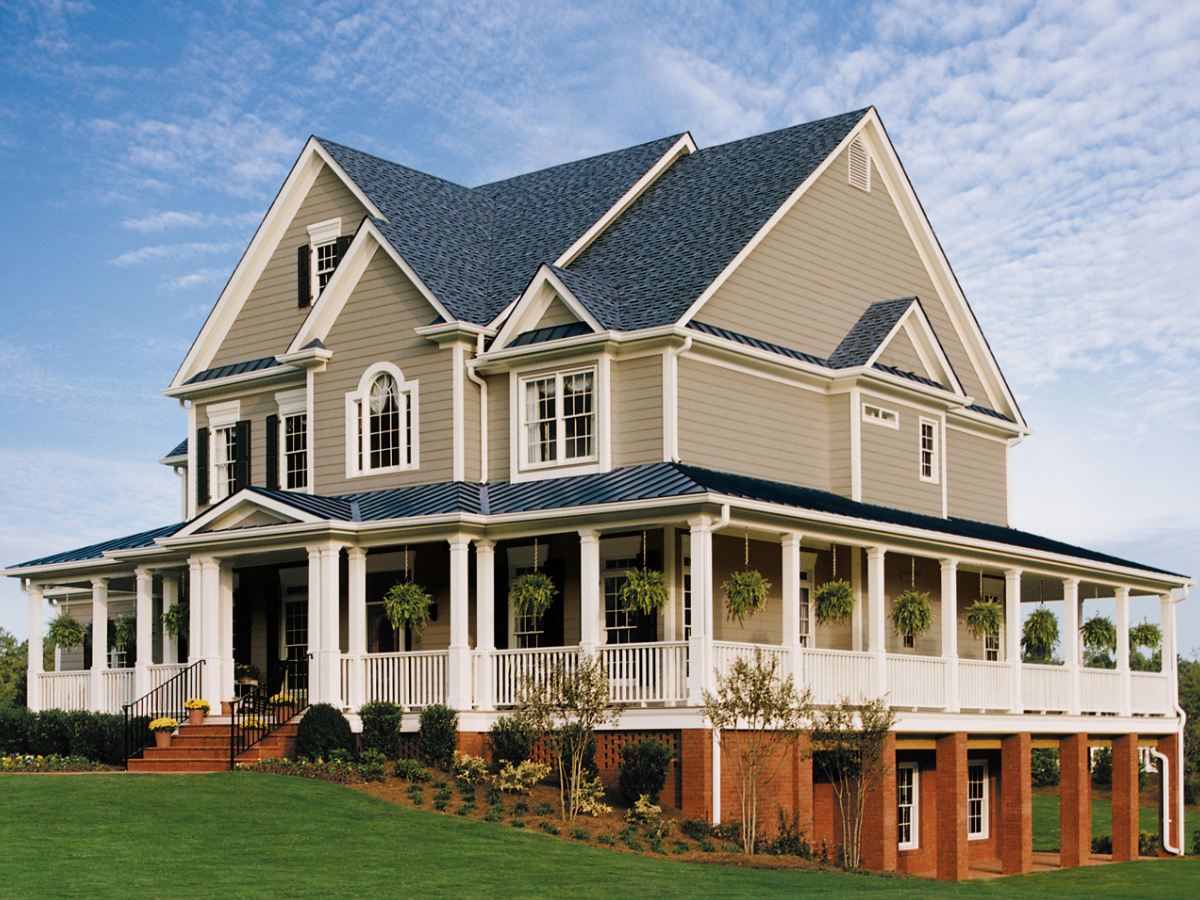
Installing new siding on a home is a crucial step in renovating the exterior and improving the overall look and protection of the house. Here is a step-by-step guide to the siding installation process, along with the tools and equipment needed, as well as common challenges faced and how to overcome them.
Tools and Equipment Required
- Siding Panels
- Nails or Screws
- Hammer or Nail Gun
- Tape Measure
- Level
- Utility Knife
- Caulk
- Joint Covers
- Siding Cutter
Step-by-Step Installation Process
- Prepare the Surface: Clean the existing siding and repair any damage.
- Measure and Cut Siding: Measure the dimensions needed and cut the siding panels accordingly.
- Install Starter Strip: Nail the starter strip along the bottom of the wall to support the first row of siding.
- Attach Siding Panels: Start from the bottom and work your way up, overlapping each panel for proper alignment.
- Finish with Trim: Install trim pieces around windows, doors, and corners for a polished look.
Common Challenges and Solutions
- Warped Siding: To prevent this, store siding panels flat and avoid exposing them to extreme temperatures before installation.
- Moisture Issues: Properly seal joints and use moisture-resistant materials to prevent water damage under the siding.
- Incorrect Installation: Follow manufacturer guidelines and seek professional help if unsure to avoid costly mistakes.
Siding Renovation Trends
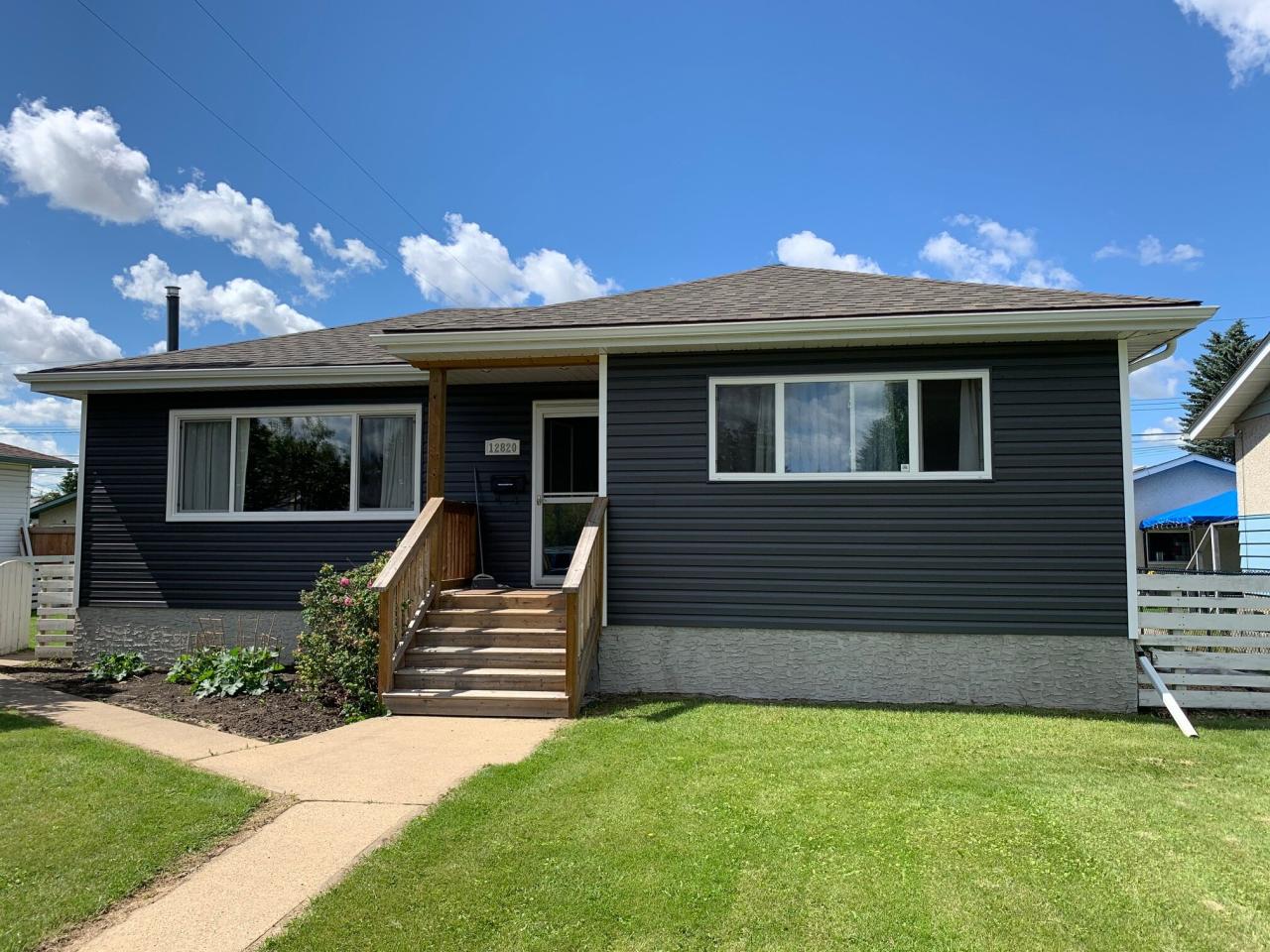
When it comes to siding renovation, staying up-to-date with the latest trends can help you create a modern and stylish exterior for your home. Let's explore some of the current trends in siding renovation that are shaping the industry today.
Color Choices, Textures, and Styles
One of the key trends in siding renovation is the shift towards bold and vibrant colors. Homeowners are moving away from traditional neutrals and exploring options like deep blues, forest greens, and even black to make a statement with their exteriors.
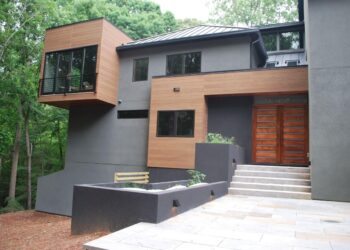
Textures are also playing a big role, with the rise of mixed materials like wood and metal for a dynamic look. In terms of styles, contemporary designs with clean lines and minimalistic features are gaining popularity among those looking for a sleek and modern aesthetic.
Sustainable and Eco-Friendly Materials
Another major trend in siding renovation is the focus on sustainability and eco-friendliness. Homeowners are increasingly opting for materials like recycled wood, fiber cement, and engineered wood that are not only durable but also environmentally responsible. This shift towards greener options reflects a growing awareness of the impact of construction on the planet and a desire to reduce carbon footprints through sustainable choices.
Innovative Design Options
Modern siding renovations are embracing innovative design options to create unique and eye-catching exteriors. From geometric patterns and asymmetrical layouts to bold accents and statement features, there are endless possibilities for homeowners looking to make a design statement with their siding.
Mixing different materials, experimenting with textures, and incorporating architectural elements like trim and molding are just some of the ways designers are pushing the boundaries of traditional siding styles.
Last Point
In conclusion, siding renovation offers a multitude of options to enhance your home's curb appeal and functionality. Stay informed about the latest trends and best practices to make the most out of your renovation project.
Top FAQs
What factors should I consider before renovating my siding?
Before starting a siding renovation project, consider the climate, location, insulation, energy efficiency, and long-term maintenance requirements.
What are some common challenges faced during siding installation?
Common challenges include dealing with weather conditions, ensuring proper alignment of siding panels, and addressing any underlying structural issues.