Embarking on a journey to transform your living space, residential house painting plays a crucial role in enhancing the aesthetic appeal and protecting the structure. This guide delves into the intricate details of choosing paints, preparing surfaces, and mastering techniques to achieve a flawless finish.
Understanding Residential House Painting
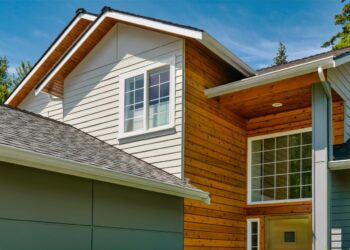
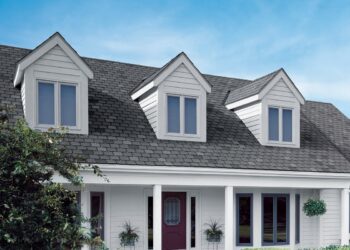
Residential house painting plays a crucial role in maintaining the overall appearance and protection of a house. The exterior paint serves as a barrier against harsh weather conditions, moisture, and other elements that can damage the structure of the house.
Typical Process of Painting the Exterior of a House
- Preparation: This involves cleaning the surface, repairing any damages, and priming the walls to ensure proper adhesion of the paint.
- Choosing the Right Paint: Selecting high-quality paint that is suitable for the exterior and climate conditions is essential for a long-lasting finish.
- Color Selection: Picking the right colors can significantly impact the curb appeal and overall aesthetics of the house. Lighter shades can make a house appear larger, while darker colors can add depth and character.
- Application: The paint is applied using brushes, rollers, or sprayers, ensuring even coverage and a smooth finish.
- Finishing Touches: Trim work, accents, and other details are added to complete the look and enhance the overall appearance of the house.
Impact of Color Choice on the Overall Look of a House
The choice of colors can drastically transform the appearance of a house. Bold and vibrant colors can make a house stand out and create a statement, while neutral tones offer a classic and timeless look. It's important to consider factors such as the architectural style of the house, surrounding landscape, and personal preferences when selecting the perfect color palette.
Types of Paints and Finishes
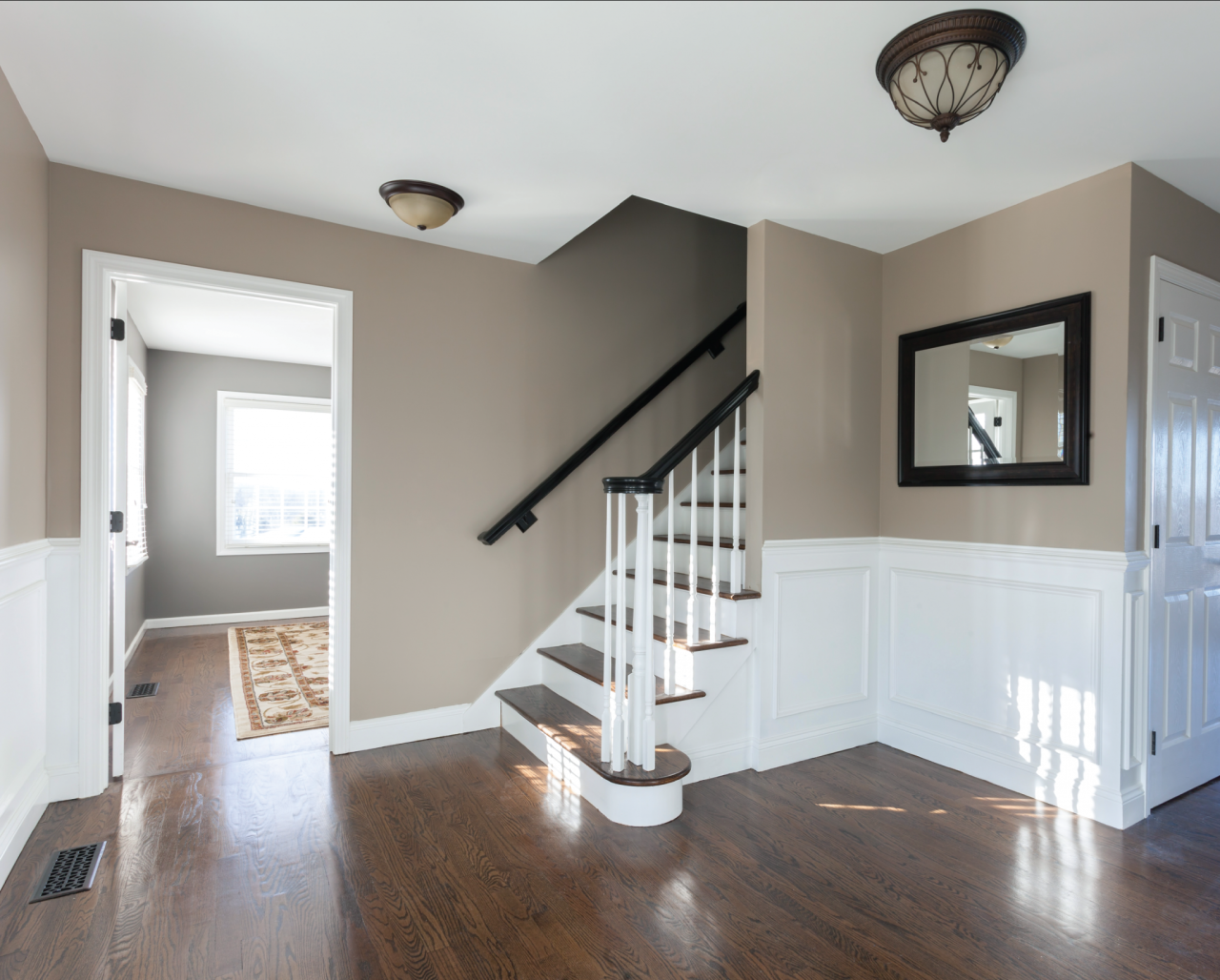
When it comes to residential house painting, choosing the right type of paint and finish is crucial for achieving the desired aesthetic and durability. Different types of paints and finishes are available in the market, each serving a specific purpose based on the area of the house being painted.
There are various types of paints suitable for residential house painting, including:
Types of Paints
- Latex Paint: Also known as water-based paint, latex paint is popular for its quick drying time, easy clean-up, and low odor. It is suitable for interior walls and ceilings.
- Oil-Based Paint: Oil-based paint provides a durable and smooth finish, making it ideal for high-traffic areas such as doors, trim, and cabinets. However, it has a strong odor and requires longer drying time.
- Acrylic Paint: Acrylic paint offers good adhesion, flexibility, and color retention. It is suitable for both interior and exterior surfaces, providing a durable finish.
Finishes play a significant role in the overall look and feel of a painted surface. Different finishes are available to cater to various preferences and functional requirements.
Types of Finishes
- Matte Finish: Matte finish has a flat, non-reflective surface, making it ideal for hiding imperfections on walls. It provides a subtle and elegant look but may not be as washable as other finishes.
- Satin Finish: Satin finish offers a soft sheen that is easy to clean, making it suitable for areas that require frequent cleaning, such as bathrooms and kitchens.
- Gloss Finish: Gloss finish has a shiny and reflective surface, adding depth and richness to the paint color. It is highly durable and easy to clean, making it ideal for doors, trim, and cabinets.
When selecting paint and finishes for different areas of a house, consider factors such as the level of traffic, moisture exposure, desired aesthetics, and maintenance requirements. Choosing the right combination of paint type and finish will ensure a successful and long-lasting paint job for your residential property.
Preparing for Painting
When getting ready to paint a residential house, proper preparation is key to achieving a professional and long-lasting finish. This includes steps such as surface cleaning, repairs, and priming before applying the paint. Additionally, protecting surrounding areas and landscaping is important to prevent any damage during the painting process.
Surface Cleaning
Before starting to paint, it is crucial to clean the surfaces thoroughly to ensure proper adhesion of the paint. This involves removing any dirt, dust, grease, or mildew that may be present on the walls. A clean surface will help the paint adhere better and result in a smoother finish.
Repairs and Priming
Inspect the surfaces for any cracks, holes, or imperfections that need to be fixed before painting. Fill in any gaps with spackling compound and sand the area smooth once it is dry. Priming the surfaces before painting is also essential, as it helps the paint adhere better and provides a more even finish.
Protecting Surrounding Areas
Covering floors, furniture, and landscaping with drop cloths or plastic sheets is crucial to prevent any accidental spills or splatters from damaging these areas. Masking tape can also be used to protect trim, windows, and other surfaces that are not being painted.
Taking the time to properly protect surrounding areas will save time and effort in the long run.
Tools and Equipment
When it comes to residential house painting, having the right tools and equipment is essential for achieving a professional finish. The quality of the tools you use can greatly impact the outcome of your paint job, so it's important to invest in high-quality products.
Essential Tools and Equipment
- Paintbrushes: Different types of brushes are available, such as angled brushes for cutting in edges and flat brushes for larger surfaces.
- Rollers: Roller covers come in various nap lengths for different textures, providing smooth and even coverage.
- Paint Sprayers: Ideal for larger areas, sprayers can help you achieve a more uniform finish in less time.
- Drop Cloths: Protect floors and furniture from paint spills and splatters with durable drop cloths.
- Sanding Tools: Sandpaper, sanding blocks, or electric sanders are essential for preparing surfaces before painting.
- Paint Trays and Liners: Use paint trays to hold paint and liners for easy cleanup and reuse.
- Painter's Tape: Create clean, crisp lines by using painter's tape to mask off areas you don't want to paint.
- Extension Poles: Reach high ceilings and walls with extension poles for painting with rollers or brushes.
Significance of High-Quality Tools
Using high-quality tools is crucial for achieving a professional finish in residential house painting. Quality brushes and rollers can help you apply paint smoothly and evenly, reducing streaks and imperfections in the final result. Additionally, sprayers can save time and effort while providing a flawless finish when used correctly.
Investing in the right tools can make a significant difference in the overall outcome of your painting project.
Techniques and Tips
When it comes to residential house painting, using the right techniques and following some essential tips can make a significant difference in the final outcome of your project. Here, we will discuss common painting techniques, tips for achieving professional results, and best practices for painting under different weather conditions.
Common Painting Techniques
- Brush Strokes: Use high-quality brushes and apply paint using smooth and even strokes to avoid brush marks.
- Rolling: Start by rolling paint in a "W" shape to evenly distribute the paint on the wall or ceiling.
- Cutting-In: Use a smaller brush to carefully paint along edges and corners before using a roller for larger areas.
Tips for Achieving Clean Lines and Even Coverage
- Use painter's tape to mask off areas and create clean lines between different surfaces.
- Avoid overloading your brush or roller with paint to prevent drips and streaks.
- Work in small sections to ensure even coverage and maintain a wet edge to blend paint seamlessly.
Best Practices for Painting in Different Weather Conditions
- Paint in moderate temperatures (around 50-85°F) to ensure proper drying and adhesion of the paint.
- Avoid painting in direct sunlight or extreme heat to prevent rapid drying and potential blistering.
- In high humidity, use a dehumidifier or wait for a drier day to paint to avoid issues with drying and curing.
Ultimate Conclusion
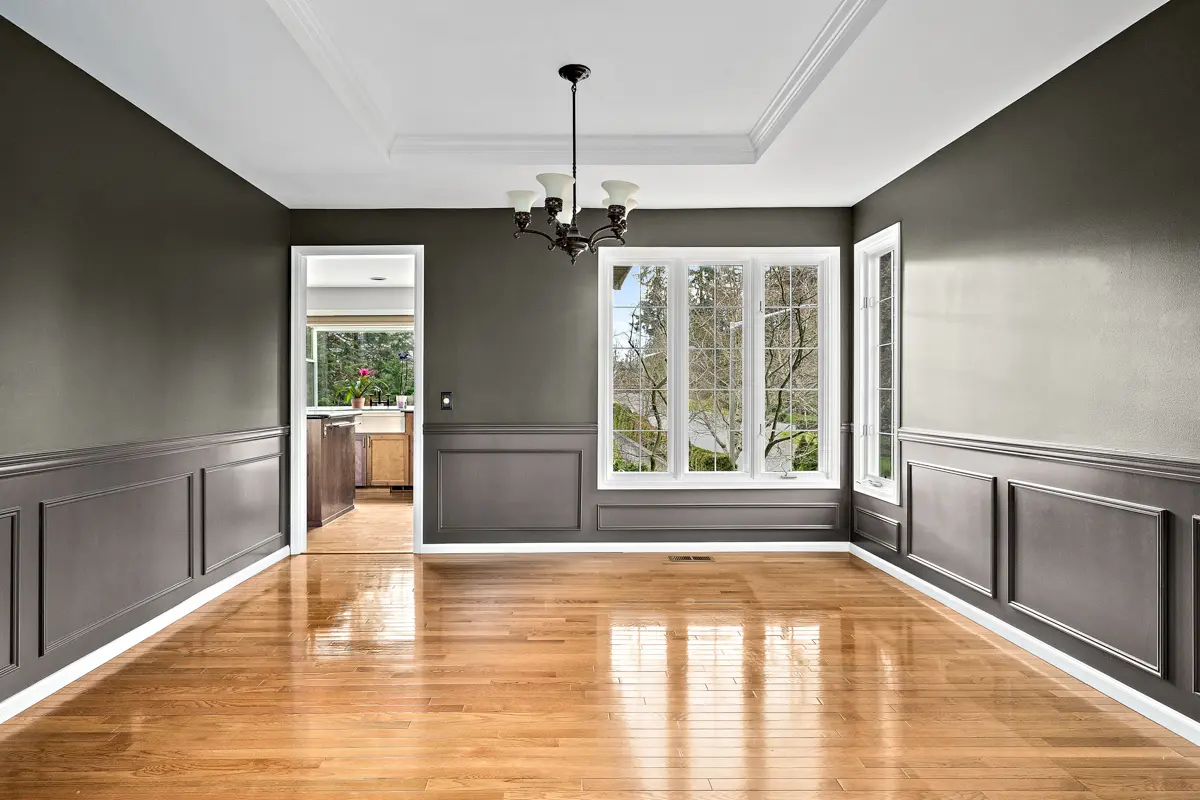
In conclusion, residential house painting is not just about adding a fresh coat of paint; it's about revitalizing your home and creating a welcoming atmosphere. With the right tools, colors, and techniques, you can turn your house into a masterpiece that reflects your style and personality.
Dive into this creative endeavor and watch your home come to life with a fresh splash of color.
Essential Questionnaire
What are the benefits of maintaining the exterior paint of a residential house?
Regular maintenance of exterior paint not only enhances the curb appeal but also protects the house from weather damage and prolongs its lifespan.
How do different types of paints affect the overall look of a house?
The choice of paint type can impact the durability, finish, and color vibrancy of a house, influencing its aesthetic appeal and maintenance requirements.
What factors should be considered when selecting paint and finishes for different areas of a house?
Consider factors like exposure to sunlight, moisture levels, and the function of the space when choosing paints and finishes for different areas of a house.
Why is surface preparation essential before starting a residential house painting project?
Proper surface preparation ensures better adhesion of paint, smooth finish, and helps in identifying and addressing any underlying issues like cracks or damages.
What are some tips for achieving clean lines and avoiding drips or streaks while painting?
Use high-quality tools, maintain a steady hand, apply paint in thin layers, and use painter's tape to achieve clean lines and prevent drips or streaks.