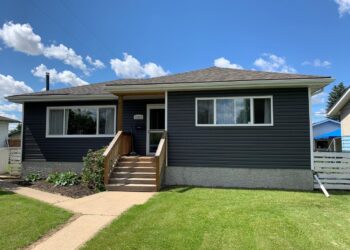
Embark on a journey through the world of exterior siding replacement, where we unravel the importance of maintaining curb appeal, enhancing energy efficiency, and protecting your home from the elements. This guide provides a comprehensive overview of everything you need to know before diving into a siding replacement project.
Importance of Exterior Siding Replacement
When it comes to maintaining a home's curb appeal, exterior siding replacement plays a crucial role. The condition of the siding greatly impacts the overall appearance of a house, making it essential to keep it in good shape.
Enhancing Energy Efficiency
Replacing old or damaged siding can significantly improve the energy efficiency of a home. Properly installed and insulated siding helps to reduce heat loss during the winter and keep the interior cool in the summer, ultimately leading to lower energy bills.
Protecting from the Elements
Siding acts as a protective barrier against harsh weather conditions such as rain, snow, wind, and UV rays. By replacing worn-out siding, homeowners can ensure that their property is shielded from moisture, mold, pests, and other potential damage caused by exposure to the elements.
Types of Exterior Siding Materials
When it comes to exterior siding replacement, there are several common materials used in the industry. Each type of material has its own unique characteristics, benefits, and considerations to keep in mind.
Vinyl Siding
Vinyl siding is a popular choice due to its affordability, low maintenance requirements, and wide range of color options. It is durable, resistant to rot and insects, and easy to clean with just soap and water. However, extreme temperatures can cause it to crack or warp over time.
Wood Siding
Wood siding offers a natural and classic look to a home. It can be painted or stained in various colors and finishes, providing a customizable aesthetic. While wood siding is durable and long-lasting when properly maintained, it requires regular painting or staining to protect it from moisture and pests.
Fiber Cement Siding
Fiber cement siding is known for its durability and resistance to fire, insects, and rot. It can mimic the look of wood or masonry, offering a versatile aesthetic option. While fiber cement siding is low maintenance and long-lasting, it can be heavier and more difficult to install compared to other materials.
Metal Siding
Metal siding, such as steel or aluminum, is extremely durable and resistant to fire, pests, and rot. It comes in a variety of finishes and colors, providing a modern and sleek appearance. However, metal siding may dent or scratch easily, and it can be prone to corrosion if not properly maintained.
Brick Siding
Brick siding is known for its timeless and elegant look, adding charm and character to a home. It is durable, long-lasting, and requires minimal maintenance. While brick siding is more expensive upfront and labor-intensive to install, it offers excellent insulation and can increase a home's resale value.
Composite Siding
Composite siding combines various materials, such as wood fibers and recycled plastics, to create a durable and eco-friendly option. It is available in different styles and colors, offering a versatile aesthetic. Composite siding is resistant to rot, insects, and moisture, making it a low-maintenance choice for homeowners.
Cost Considerations
When planning for an exterior siding replacement project, it is crucial to consider the costs involved. Several factors can influence the overall cost of the project, including the type of siding material chosen, the size of the area to be covered, and the complexity of the installation process.
Factors Influencing Costs
- The type of siding material: Different siding materials come at varying price points, with options like vinyl, wood, fiber cement, and metal each having their own cost considerations.
- Size of the area: The larger the area that needs to be covered with new siding, the higher the overall cost of materials and labor.
- Complexity of installation: If there are intricate design elements or challenging architectural features on your home, the installation process may require more time and labor, leading to higher costs.
Breakdown of Costs
- Labor costs: The cost of labor can vary depending on the contractor's rates and the amount of time required to complete the installation.
- Materials costs: This includes the cost of the siding material itself, as well as any additional materials needed for installation such as insulation, trim pieces, and fasteners.
- Additional services: Other services such as removal of old siding, disposal of debris, and any necessary repairs or modifications can add to the overall cost of the project.
Tips for Budgeting
- Get multiple quotes: It's always a good idea to get estimates from several contractors to compare costs and services offered.
- Set aside a contingency fund: Budgeting a little extra for unexpected expenses or changes in the project can help prevent financial stress down the line.
- Plan ahead: By carefully planning the scope of the project and making decisions early on, you can avoid costly changes or delays during the installation process.
Hiring a Contractor
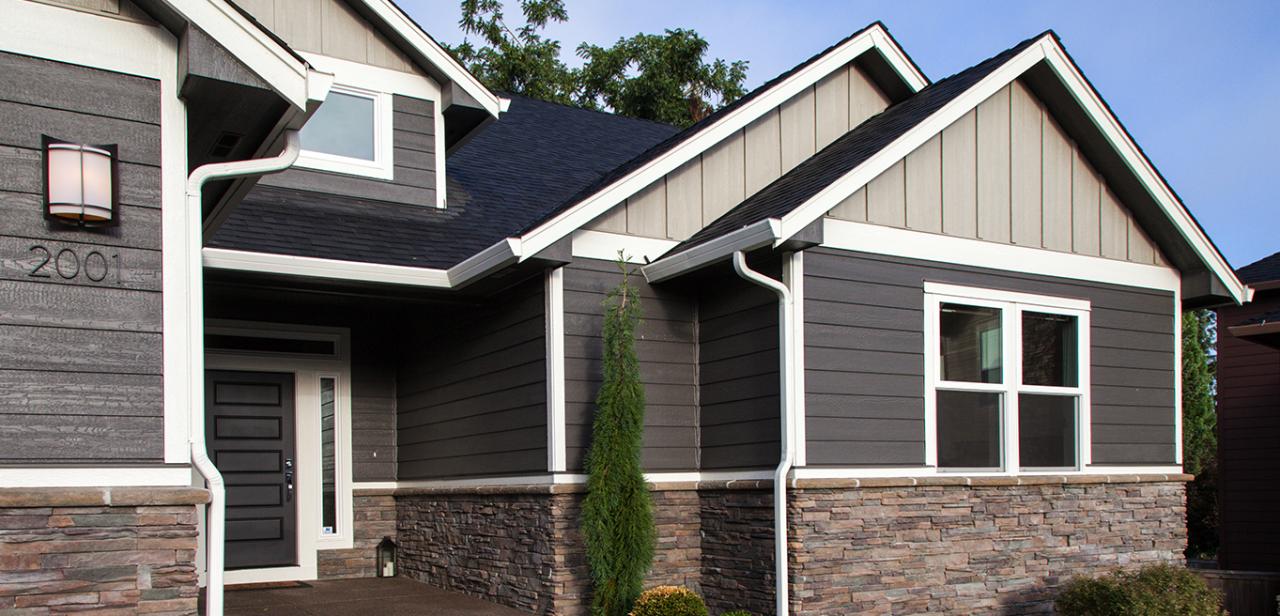
When it comes to exterior siding replacement, hiring a professional contractor is crucial to ensure the job is done correctly and efficiently. Professionals have the expertise and experience to handle the project effectively, saving you time and potential costly mistakes.
Criteria for Selecting a Siding Contractor
Before hiring a siding contractor, consider the following criteria to ensure you choose the right professional for the job:
- Experience: Look for a contractor with a proven track record in siding replacement projects.
- License and Insurance: Verify that the contractor is licensed and adequately insured to protect you from liability.
- References: Ask for references from past clients to gauge the contractor's reputation and quality of work.
- Written Estimate: Get a detailed, written estimate from the contractor outlining the scope of work and cost breakdown.
Questions to Ask Potential Contractors
Before making a decision, be sure to ask the following questions to potential siding contractors:
- Can you provide a list of references from past siding replacement projects?
- What is your experience with the type of siding material I want to use?
- Do you have the necessary licenses and insurance coverage?
- How long do you estimate the project will take to complete?
DIY vs. Professional Installation

When it comes to replacing exterior siding, homeowners often face the decision of whether to take on the project themselves or hire professionals. Each option has its own set of pros and cons, which should be carefully considered before making a decision.
Pros and Cons of DIY Siding Replacement
- Pros:
- Cost savings on labor fees
- Flexibility in scheduling and project timeline
- Sense of accomplishment from completing the project
- Cons:
- Lack of experience and expertise compared to professionals
- Potential for mistakes leading to costly repairs
- Time-consuming and physically demanding
Risks of DIY Siding Replacement
Replacing siding without professional help can pose several risks, including:
Incorrect installation leading to water damage and mold growth
Voiding manufacturer warranties due to improper installation
Potential injury from working at heights or handling heavy materials
Tips for Homeowners Considering DIY Siding Replacement
- Research and educate yourself on proper installation techniques
- Invest in quality tools and materials to ensure a durable result
- Start with a small section to gain confidence before tackling the entire project
- Seek advice from professionals or online tutorials for guidance
Maintenance Tips
Regular maintenance is essential for preserving the integrity and appearance of newly replaced exterior siding. By following best practices for maintenance, homeowners can extend the lifespan of their siding materials and ensure that their home remains protected from the elements.
Here are some tips on how to properly care for your exterior siding:
Cleaning
- Regularly clean siding with a mild detergent and water to remove dirt, grime, and mildew.
- Use a soft brush or cloth to gently scrub the siding, avoiding harsh chemicals or abrasive materials that could damage the surface.
- Rinse the siding thoroughly with a garden hose to remove any soap residue.
Inspecting
- Regularly inspect the siding for signs of damage, such as cracks, chips, or warping.
- Check for areas where moisture may be seeping in, as this can lead to mold and rot.
- Look for gaps or loose panels that may need to be reattached or replaced.
Repairing
- Address any damage or issues promptly to prevent further deterioration.
- Replace damaged panels or sections of siding as needed to maintain the overall integrity of the exterior.
- Consider hiring a professional contractor for more extensive repairs or replacements to ensure quality workmanship.
Final Review
In conclusion, exterior siding replacement is a crucial investment that not only elevates the aesthetic appeal of your home but also contributes to its longevity and energy efficiency. By understanding the key factors involved in this process, you can make informed decisions and ensure a successful project outcome.
FAQ Insights
What are the benefits of exterior siding replacement?
Exterior siding replacement is essential for maintaining curb appeal, improving energy efficiency, and protecting your home from the elements.
Which materials are commonly used for exterior siding replacement?
Common materials include vinyl, wood, and fiber cement, each with varying durability and maintenance requirements.
How can I effectively budget for an exterior siding replacement project?
You can budget effectively by considering factors like labor costs, materials, and additional services, and planning ahead for unexpected expenses.
Is it better to hire a professional contractor for siding replacement?
Yes, hiring a professional contractor ensures quality workmanship and adherence to safety standards during the replacement process.
What are some maintenance tips for newly replaced siding?
Maintain your siding by regularly cleaning, inspecting for damage, and addressing repairs promptly to prolong its lifespan.