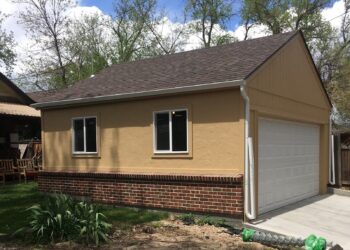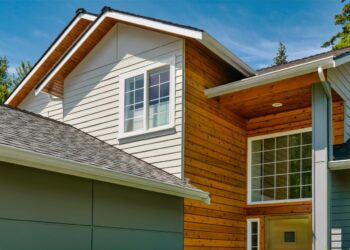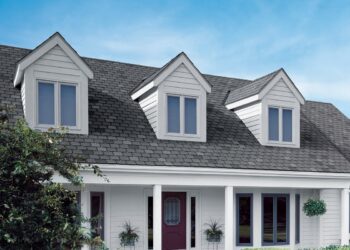
When it comes to selecting the best exterior siding for your house, the options may seem overwhelming. From classic wood to modern vinyl, each material brings its own set of advantages and considerations. In this comprehensive guide, we will dive into the world of exterior siding, exploring different types, key factors to consider, cost implications, and maintenance requirements.
By the end, you'll be equipped with the knowledge to make an informed decision for your home.
Types of Exterior Siding
When it comes to choosing the right exterior siding for your house, there are several options available, each with its own set of pros and cons. Let's take a closer look at some of the most popular siding materials used today.
Vinyl Siding
Vinyl siding is a popular choice for many homeowners due to its low cost and easy maintenance. It comes in a variety of colors and styles, making it versatile for different architectural designs. However, vinyl siding may crack or fade over time, and it may not be as durable as other materials.
Wood Siding
Wood siding offers a natural and timeless look that can enhance the curb appeal of a house. It can be painted or stained in different colors to match your preferences. However, wood siding requires regular maintenance, such as painting, staining, and sealing to prevent rot, insect infestation, and weather damage.
Fiber Cement Siding
Fiber cement siding is a durable and low-maintenance option that can mimic the look of wood or masonry. It is resistant to rot, fire, and pests, making it a long-lasting choice for homeowners. However, fiber cement siding can be more expensive than other materials, and it may require professional installation.
Brick Siding
Brick siding is known for its classic and elegant appearance, adding a touch of sophistication to any home. It is fire-resistant, energy-efficient, and requires minimal maintenance over time. However, brick siding can be costly to install, and it may not be as versatile in terms of design options compared to other materials.
Factors to Consider
When choosing the best siding for your house, there are several key factors to consider to ensure you make the right decision. These factors can greatly impact the performance, aesthetics, and durability of your exterior siding.Climate and Location:
Climate and Location
The climate and location of your home play a significant role in determining the best siding material. For example, in areas with high humidity, moisture-resistant materials like vinyl or fiber cement siding are ideal to prevent rot and mold growth.
In regions with extreme temperatures, such as hot summers or cold winters, insulated siding options can help improve energy efficiency and maintain a comfortable indoor temperature.Architectural Style:
Architectural Style
The architectural style of your house should also influence your choice of siding material. For traditional or historic homes, wood siding can enhance the classic charm and authenticity of the design. Modern homes, on the other hand, may benefit from sleek and durable options like metal or composite siding.
It's essential to select a siding material that complements the overall aesthetic of your home and enhances its curb appeal.Maintenance and Longevity:
Maintenance and Longevity
Consider the level of maintenance required for different siding materials and how long they are expected to last. Some materials may require regular painting or sealing to maintain their appearance, while others are designed to be low-maintenance and long-lasting. Factor in your willingness to perform upkeep tasks and your budget for future repairs or replacements when selecting the best siding for your house.Cost and Budget:
Cost and Budget
The cost of both the siding material and installation should align with your budget. While some premium siding options may offer superior performance and aesthetics, they can come with a higher price tag. Evaluate the upfront costs, long-term savings, and overall value of each siding material to find the best balance between quality and affordability for your home.Environmental Impact:
Environmental Impact
Consider the environmental impact of different siding materials and choose eco-friendly options if sustainability is a priority for you. Look for materials that are recyclable, energy-efficient, or made from renewable resources to reduce your carbon footprint and contribute to a greener home.By carefully considering these key factors, you can make an informed decision when choosing the best exterior siding for your house that meets your needs and enhances the beauty and functionality of your home.
Cost and Budgeting
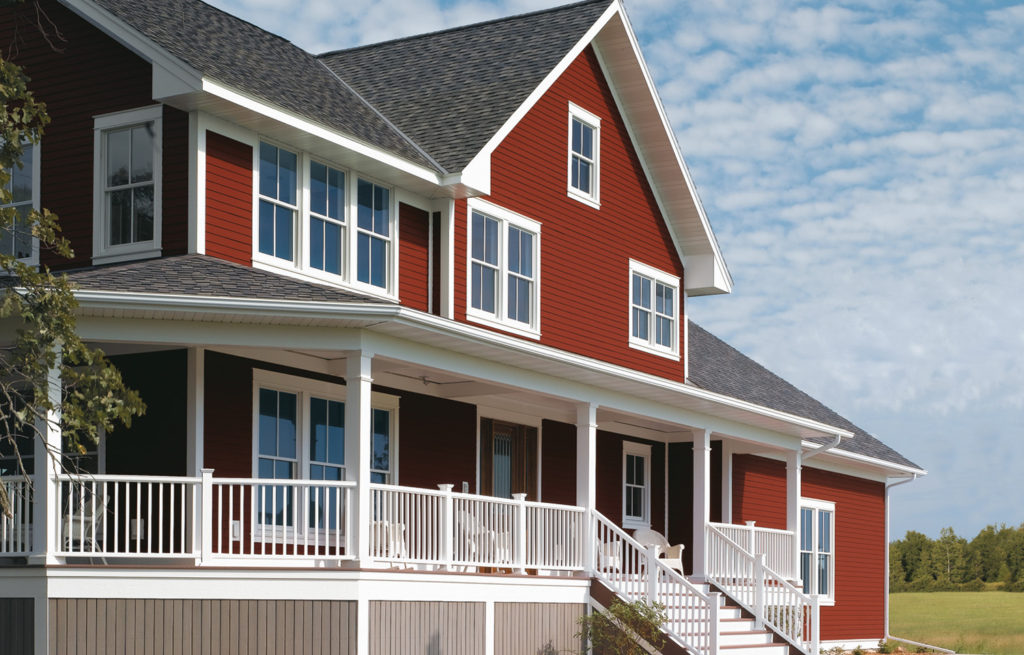
When it comes to choosing exterior siding for your house, cost is a significant factor to consider. The price range varies depending on the type of siding you choose, as well as the size of your home and any additional installation costs.
Cost Overview
- Vinyl siding is one of the most cost-effective options, with prices ranging from $2 to $7 per square foot. It offers good value for money and is low maintenance.
- Fiber cement siding is a bit more expensive, ranging from $5 to $12 per square foot. However, it is durable and long-lasting, making it a good investment in the long run.
- Wood siding can range from $6 to $15 per square foot, depending on the type of wood chosen. While it offers a classic look, it requires more maintenance compared to other options.
- Brick siding is on the higher end of the price spectrum, ranging from $8 to $15 per square foot. It is durable and adds a timeless appeal to your home.
Budgeting and Cost-Saving Strategies
- Get multiple quotes from different contractors to compare prices and choose the best option that fits your budget.
- Consider DIY installation for cost savings, but make sure you have the skills and tools required to do the job correctly.
- Look for discounts or promotions on siding materials to lower costs without compromising on quality.
- Plan ahead and budget for any unforeseen expenses that may arise during the installation process to avoid exceeding your budget.
Installation and Maintenance
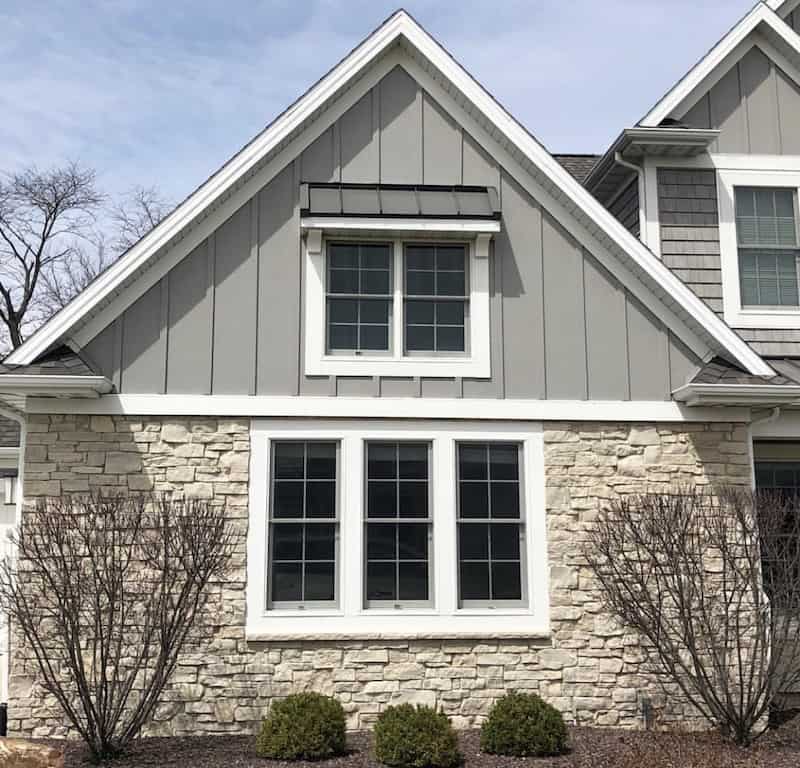
When it comes to exterior siding, proper installation and maintenance are crucial to ensure the longevity and durability of your home's exterior. Each type of siding material comes with its own installation process and maintenance requirements. Here, we will discuss the general installation process for common exterior siding materials and provide tips for maintenance to help you make an informed decision.
General Installation Process
- Vinyl Siding: Vinyl siding is relatively easy to install and can often be a DIY project. The panels interlock and are secured to the exterior of the house. It is important to follow manufacturer instructions carefully to ensure a proper installation.
- Fiber Cement Siding: Fiber cement siding requires more specialized tools and skills for installation. It is recommended to hire a professional for this type of siding to ensure a proper and secure installation.
- Wood Siding: Wood siding can be more labor-intensive to install, as each piece needs to be individually placed and secured. Proper sealing and painting are essential to protect the wood from moisture and rot.
- Brick Siding: Brick siding is typically installed by professional masons. The process involves laying bricks in a specific pattern and mortar to create a durable and visually appealing exterior.
Maintenance Requirements
- Vinyl Siding: Vinyl siding is relatively low maintenance and can be cleaned with a mixture of water and mild detergent. Periodic inspections for cracks or damage are recommended to address any issues promptly.
- Fiber Cement Siding: Fiber cement siding requires periodic painting or sealing to maintain its appearance and protect it from the elements. Inspecting for signs of moisture or damage is important to prevent issues like mold or rot.
- Wood Siding: Wood siding needs regular maintenance, including staining or painting every few years to protect it from moisture and UV damage. Inspecting for signs of rot, pests, or warping is essential for the longevity of wood siding.
- Brick Siding: Brick siding is relatively low maintenance but may require occasional cleaning to remove dirt or grime. Inspecting mortar joints for cracks or deterioration and addressing them promptly can help maintain the integrity of brick siding.
Closing Notes
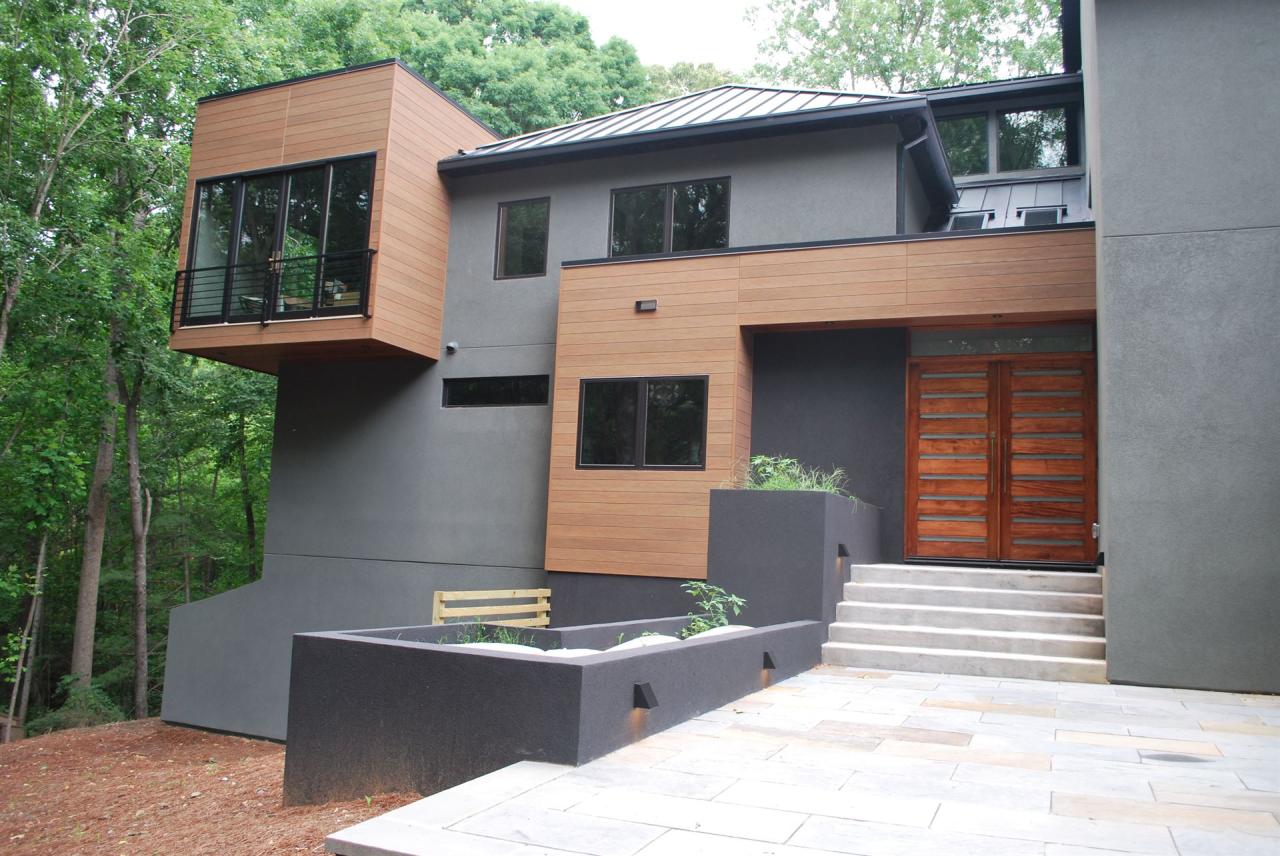
In conclusion, the choice of exterior siding for your house plays a crucial role in not just the aesthetics but also the functionality and longevity of your home. By weighing the pros and cons of various materials, considering key factors, and planning your budget effectively, you can ensure that your house stands strong and beautiful for years to come.
Helpful Answers
What is the most durable type of exterior siding?
Vinyl siding is known for its durability and low maintenance requirements, making it a popular choice among homeowners.
How does climate affect the choice of exterior siding?
Climate plays a significant role in selecting siding materials, as some materials are better suited for specific weather conditions. For example, fiber cement siding is ideal for humid climates.
Is brick siding more expensive than vinyl siding?
Brick siding tends to be more expensive upfront compared to vinyl siding, but it offers long-term durability and a classic look that may justify the higher cost for some homeowners.