Exploring the cost to replace windows and siding opens up a world of factors, materials, and strategies. Dive into this comprehensive guide to gain insights on how to approach this essential home improvement project.
Factors affecting the cost to replace windows and siding
When considering the cost to replace windows and siding, there are several key factors that can influence the overall price. Factors such as materials, labor, project size, and location all play a significant role in determining the total cost. Additionally, the quality of materials chosen can impact the initial investment, while energy-efficient options may lead to savings in the long run.
Materials
The materials chosen for replacing windows and siding can greatly impact the overall cost. Higher quality materials may come at a higher price but can offer better durability and aesthetics. Cheaper materials may be more budget-friendly initially, but they might require more frequent repairs or replacements in the future, potentially increasing long-term costs.
Labor
The cost of labor for replacing windows and siding is another crucial factor to consider. Skilled labor may come at a higher price, but it ensures that the installation is done correctly, reducing the risk of future issues. Opting for experienced professionals can help in achieving a high-quality finish and minimizing the need for repairs down the line.
Project Size
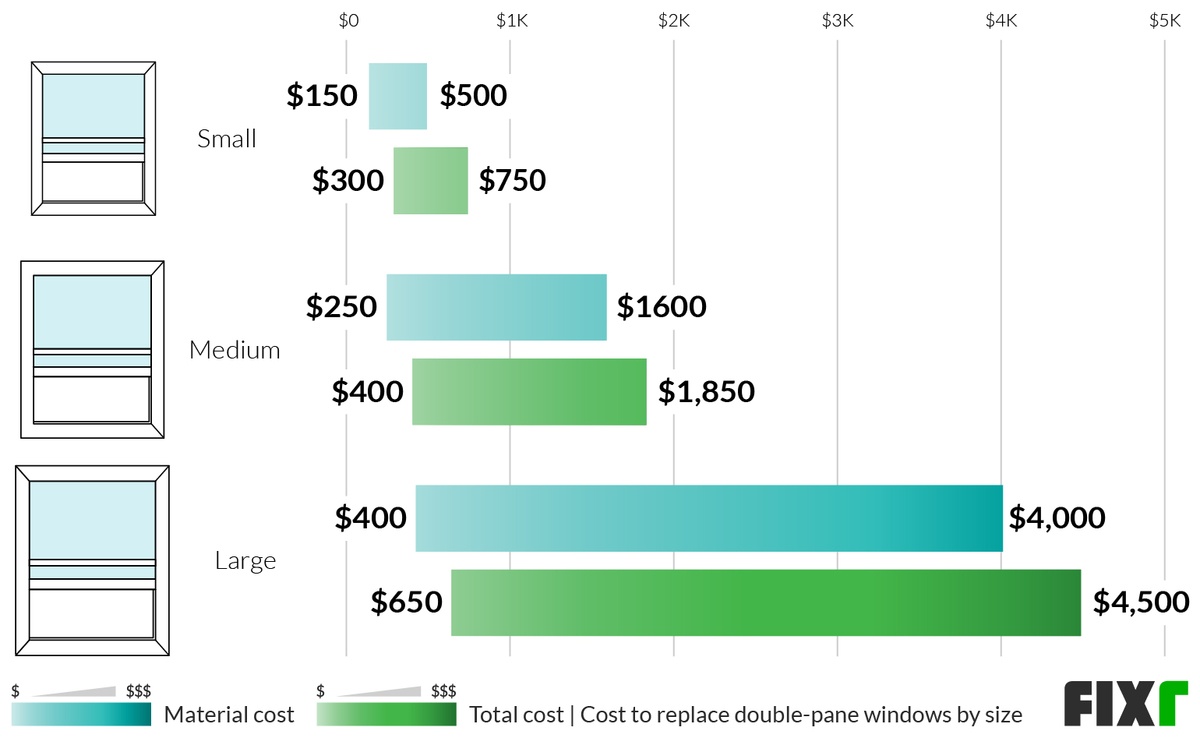
The size of the project, including the number of windows and the amount of siding to be replaced, will naturally affect the total cost. Larger projects require more materials and labor, which can drive up the overall price. Conversely, smaller projects may be more cost-effective but still require careful planning and execution to ensure a satisfactory result.
Location
The location of the property can also impact the cost of replacing windows and siding. Factors such as accessibility, local labor rates, and building regulations can all influence pricing. Properties in remote areas or regions with higher living costs may incur additional expenses compared to those in more urban or easily accessible locations.
Energy-Efficient Options
Opting for energy-efficient windows and siding may involve a higher initial investment, but they can lead to significant savings in the long run. Energy-efficient materials can help reduce heating and cooling costs by improving insulation and reducing energy consumption. Over time, these savings can offset the initial cost, making them a cost-effective choice for many homeowners.
Comparison between various types of windows and siding materials
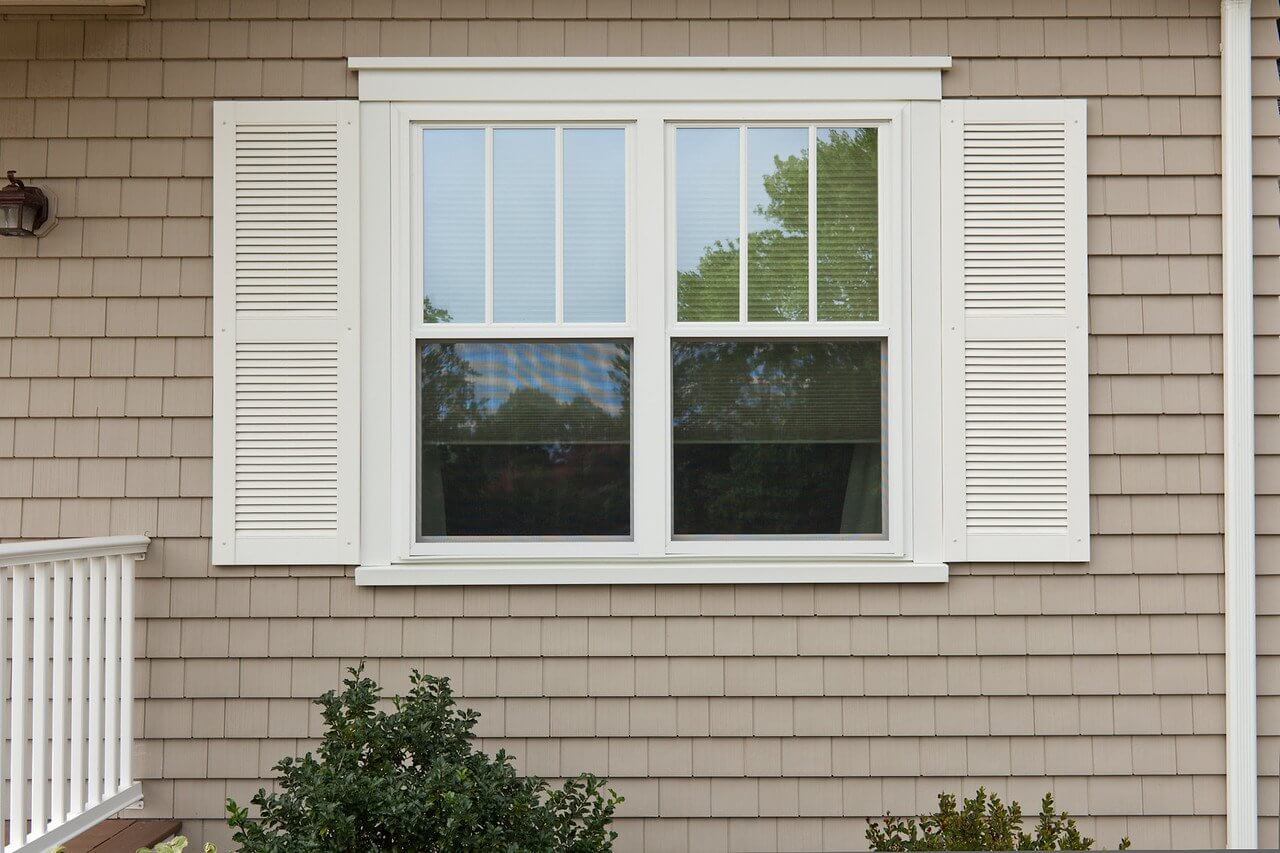
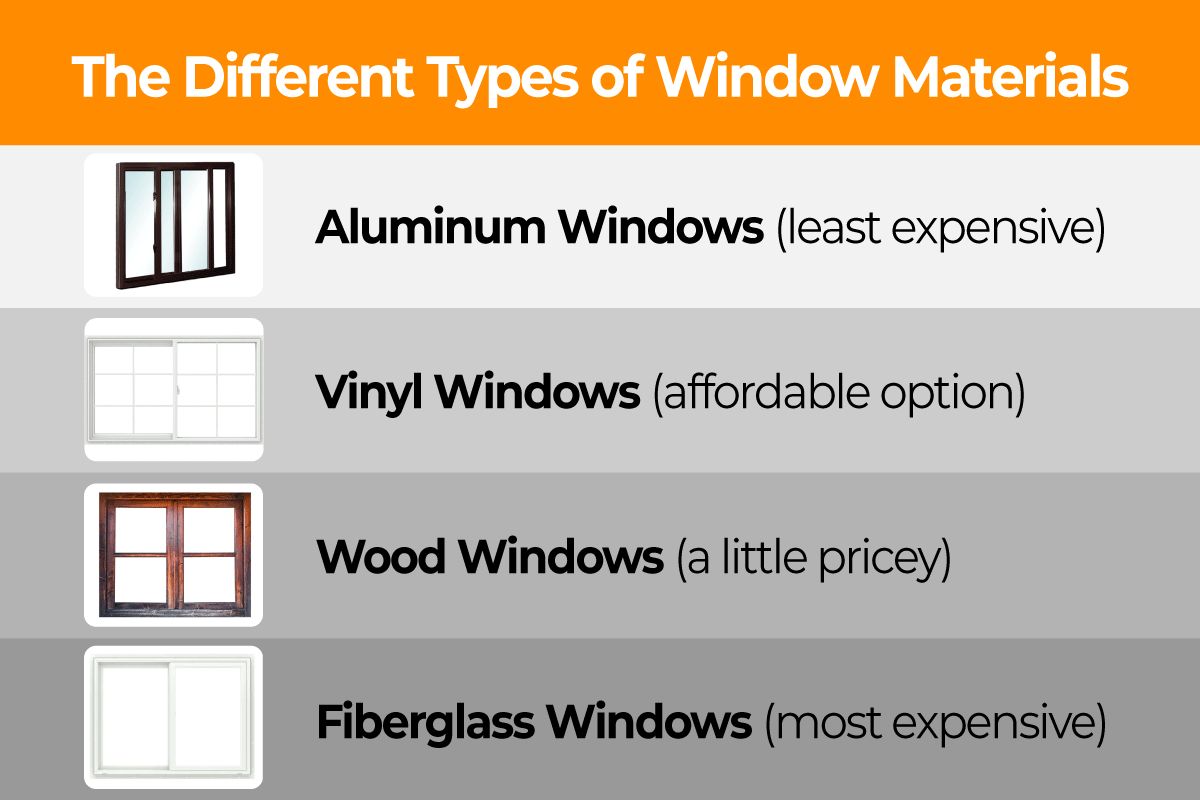
When considering a replacement project for windows and siding, it is essential to compare different types of materials to make an informed decision that fits your budget and maintenance preferences.Vinyl, wood, aluminum, and fiber cement are common materials used for windows and siding.
Each material has its own initial cost, maintenance requirements, and longevity, impacting the overall cost of the replacement project.
Initial Cost Comparison
- Vinyl: Vinyl windows and siding are often the most affordable option, making them popular among homeowners on a budget. The initial cost of vinyl is relatively low compared to other materials.
- Wood: Wood windows and siding tend to be more expensive upfront due to the higher cost of materials and labor for installation. However, the natural beauty of wood can add value to your home.
- Aluminum: Aluminum windows and siding fall somewhere in the middle in terms of initial cost. They are durable and low-maintenance, but the initial cost can be higher than vinyl.
- Fiber Cement: Fiber cement materials are known for their longevity and durability, but they can come with a higher initial cost compared to vinyl and aluminum. However, the long-term benefits may outweigh the upfront investment.
Maintenance Requirements and Longevity
- Vinyl: Vinyl is low-maintenance and does not require painting or staining. However, it may not be as durable as other materials and can be prone to fading and warping over time.
- Wood: Wood requires regular maintenance, including painting or staining to protect it from the elements. With proper care, wood can last for many years and provide a classic look to your home.
- Aluminum: Aluminum is low-maintenance and resistant to rust and corrosion. It is a durable material that can withstand harsh weather conditions, making it a long-lasting option for windows and siding.
- Fiber Cement: Fiber cement is highly durable and resistant to fire, water, and pests. It requires minimal maintenance and can last for decades without needing replacement, making it a cost-effective choice in the long run.
Impact on Overall Cost
When choosing the material for your windows and siding, it's important to consider not only the initial cost but also the long-term maintenance requirements and longevity of the material. While vinyl may be the most affordable option upfront, it may require more frequent replacement or repairs compared to more durable materials like fiber cement.
Investing in high-quality, long-lasting materials can help reduce the overall cost of maintenance and replacements over time.
Cost-saving tips for replacing windows and siding
When it comes to replacing windows and siding, there are several strategies you can implement to save costs without compromising quality. These tips can help you make the most of your budget while still achieving the desired results.
Benefits of Bundling Window and Siding Replacement Projects
By bundling window and siding replacement projects together, you can often negotiate a better deal with contractors. This is because they can complete both tasks simultaneously, which can save time and resources. Additionally, when working on both projects at once, you may be able to take advantage of bulk discounts on materials, further reducing costs.
DIY Options vs. Hiring Professionals
While opting for a do-it-yourself approach may seem like a cost-effective solution, it's essential to consider the complexity of the tasks involved. Installing windows and siding correctly requires precision and expertise to ensure proper insulation and protection. Hiring professionals may initially seem more expensive, but it can save you money in the long run by avoiding potential mistakes that could lead to costly repairs down the line.
Importance of Proper Maintenance After Replacement
After replacing your windows and siding, it's crucial to prioritize maintenance to prolong their lifespan and avoid premature wear and tear. Simple tasks like cleaning regularly, checking for leaks, and addressing any issues promptly can help prevent costly repairs in the future.
By investing time and effort in maintenance, you can ensure that your windows and siding remain in optimal condition, saving you money in the long term.
Hiring professionals for window and siding replacement
When it comes to replacing windows and siding, hiring professionals can offer numerous benefits. Not only do they have the expertise and experience to ensure a high-quality installation, but they can also save you time and stress by managing the project efficiently.
Benefits of hiring professionals
- Professional expertise and experience ensure a proper installation that meets industry standards.
- Contractors can handle all aspects of the project, from obtaining permits to disposing of old materials.
- Save time and reduce stress by letting professionals manage the project from start to finish.
- Professionals may have access to discounts on materials, helping you save money in the long run.
Typical process of hiring contractors
- Research local contractors and ask for recommendations from friends or family.
- Obtain quotes from multiple contractors and compare prices, services, and timelines.
- Check references and reviews to ensure the contractor has a good reputation.
- Discuss the scope of work, timeline, and payment schedule before signing a contract.
Tips for choosing the right contractor
- Ensure the contractor is licensed, bonded, and insured to protect yourself and your property.
- Ask for a detailed written estimate that includes all costs and materials involved in the project.
- Choose a contractor with experience in window and siding replacement for the best results.
- Get everything in writing, including the project timeline, payment schedule, and warranty information.
Importance of warranty and insurance coverage
- Make sure the contractor offers a warranty on their workmanship to protect against any issues that may arise after installation.
- Verify that the contractor has liability insurance to cover any damages or injuries that occur during the project.
- Having warranty and insurance coverage provides peace of mind and ensures you are protected in case of any unforeseen circumstances.
Final Review
In conclusion, understanding the costs involved in replacing windows and siding is crucial for making informed decisions. With the right knowledge and tips, you can embark on this project with confidence and achieve the desired results for your home.
Clarifying Questions
What factors can influence the cost of replacing windows and siding?
Factors like materials chosen, labor costs, project size, and location can all impact the overall cost of window and siding replacement.
How do energy-efficient options affect the cost of replacing windows and siding?
While energy-efficient options may have a higher initial cost, they can lead to long-term savings on energy bills, making them a cost-effective choice.
What are some cost-saving tips for replacing windows and siding?
Strategies like bundling replacement projects, considering DIY options, and proper maintenance post-replacement can help reduce costs without compromising quality.
Why is hiring professionals important for window and siding replacement?
Hiring professionals ensures quality work, proper installation, and peace of mind. They can also help in choosing the right materials and provide warranty coverage.