
Diving into the world of exterior siding trim, this introduction sets the stage for a detailed exploration of different materials, installation processes, maintenance tips, and design ideas. Whether you're a homeowner looking to upgrade your home's exterior or a DIY enthusiast seeking inspiration, this guide has you covered.
In the following sections, we will delve into the various aspects of exterior siding trim, from materials and installation to maintenance and design, providing valuable insights and practical advice along the way.
Types of Exterior Siding Trim
When it comes to exterior siding trim, there are several materials to choose from, each with its own set of pros and cons. The most common types include wood, vinyl, fiber cement, and metal trim. Understanding the differences between these materials can help you make an informed decision for your home.
Wood Trim
Wood trim is a traditional and popular choice for exterior siding due to its natural beauty and versatility. However, wood trim requires regular maintenance such as painting or staining to protect it from moisture and rot. While wood trim can be more prone to damage over time, it can be easily repaired or replaced when needed.
Vinyl Trim
Vinyl trim is a low-maintenance option that is resistant to rot, insects, and moisture. It is also available in a wide range of colors and styles, making it a versatile choice for homeowners. However, vinyl trim may not offer the same level of aesthetic appeal as wood trim and can be more susceptible to fading or cracking over time.
Fiber Cement Trim
Fiber cement trim is a durable and long-lasting option that is resistant to rot, fire, and insects. It is also low-maintenance and can be painted to match your home's exterior. However, fiber cement trim can be heavier and more expensive than other materials, and installation may require special tools and expertise.
Metal Trim
Metal trim, such as aluminum or steel, is a strong and durable option that is resistant to rot, insects, and moisture. It is also low-maintenance and can be painted to achieve a custom look. However, metal trim may dent or scratch more easily than other materials, and it can be more expensive upfront.Overall, the durability of exterior siding trim materials varies depending on factors such as maintenance, climate, and installation.
Considering the pros and cons of wood, vinyl, fiber cement, and metal trim can help you choose the best option for your home.
Installation of Exterior Siding Trim
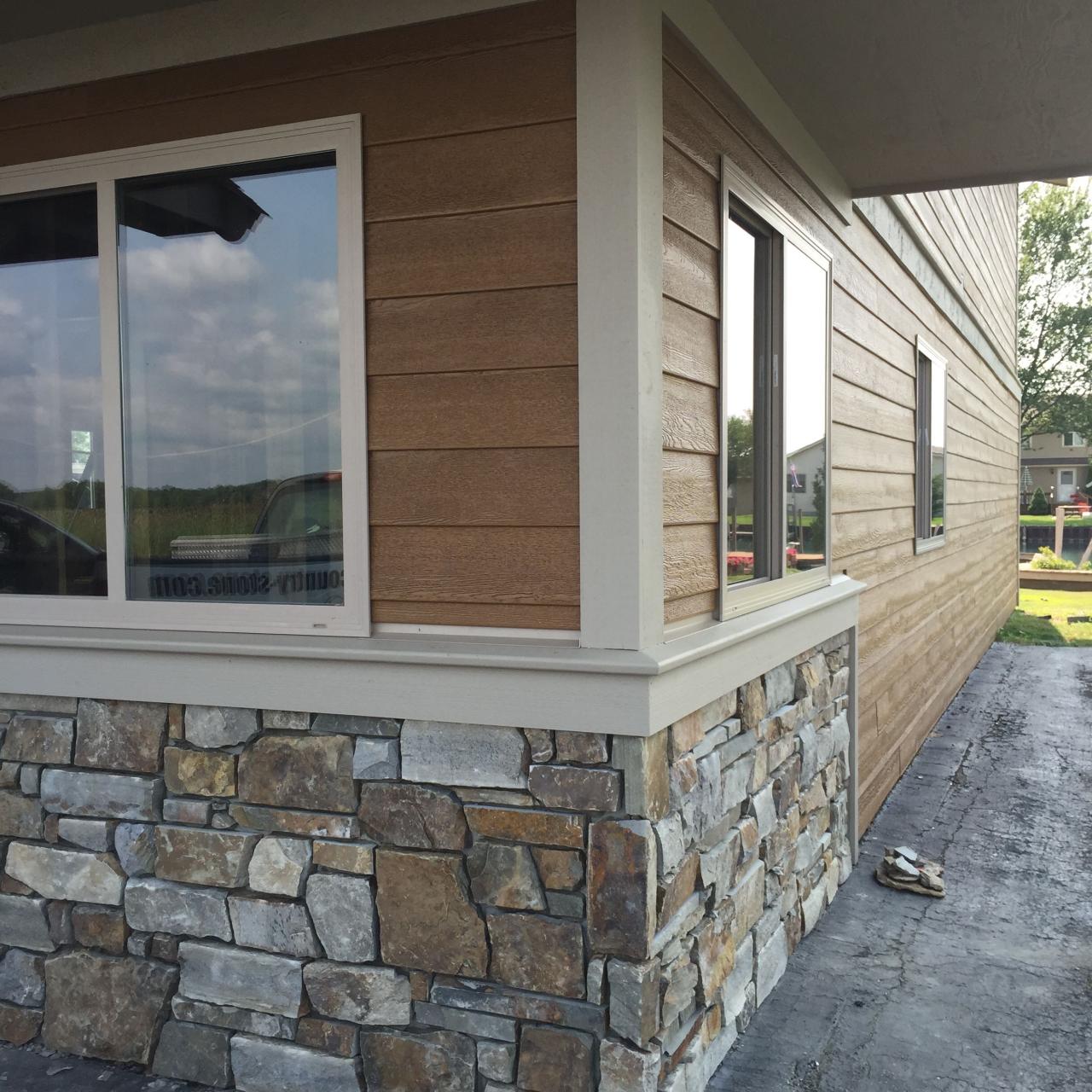
When it comes to installing exterior siding trim, following a step-by-step process is crucial to ensure a seamless and professional-looking finish. Here we will discuss the key steps, share tips for a successful installation, and highlight common mistakes to avoid.
Step-by-Step Process
- Measure and cut the trim pieces to the appropriate length, ensuring accuracy for a precise fit.
- Pre-drill holes in the trim to prevent splitting when attaching it to the siding.
- Apply a bead of exterior caulk along the back of the trim piece to create a tight seal against the siding.
- Position the trim piece in place and secure it with nails or screws, making sure it is level and flush with the siding.
- Fill any nail holes with wood filler and sand down the surface for a smooth finish.
- Paint or stain the trim to match the rest of the exterior for a cohesive look.
Tips for a Seamless Installation
- Take accurate measurements and double-check before cutting to avoid waste and ensure a perfect fit.
- Use a level to ensure the trim is straight and flush against the siding for a professional appearance.
- Consider using stainless steel or galvanized nails to prevent rust stains from appearing over time.
- Work in small sections to maintain control and achieve a consistent finish throughout the installation process.
Common Mistakes to Avoid
- Avoid overdriving nails or screws, as this can damage the trim or create an uneven surface.
- Skipping the pre-drilling step can lead to splitting, especially with hardwood trim pieces.
- Not sealing the back of the trim with caulk can allow moisture to seep in, causing rot or warping over time.
- Rushing the painting or staining process can result in an uneven finish or premature peeling.
Maintenance of Exterior Siding Trim
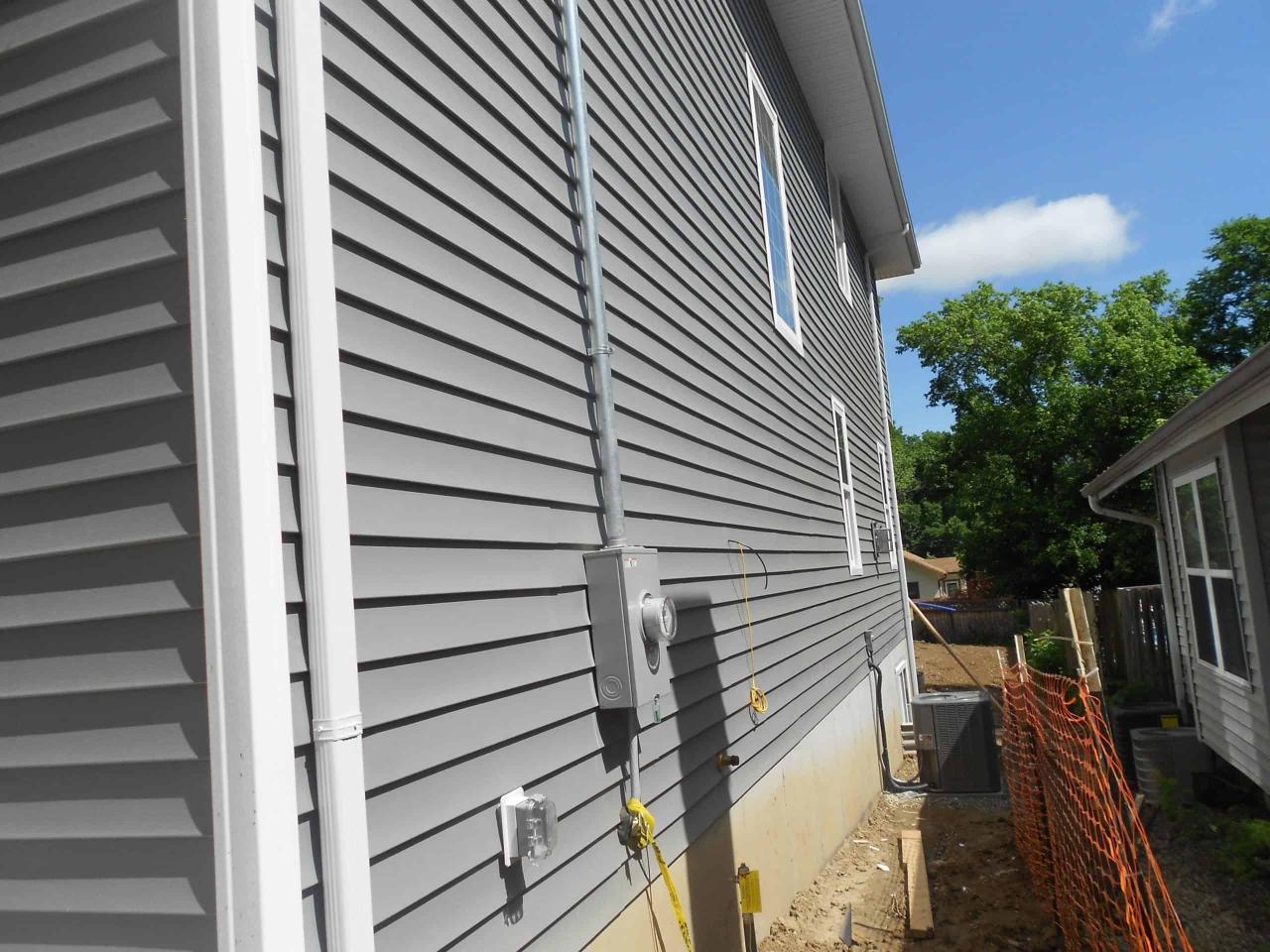
Proper maintenance of exterior siding trim is essential to ensure its longevity and aesthetic appeal. Regular upkeep can help prevent damage and prolong the lifespan of the trim, saving you time and money in the long run.
Recommended Maintenance Tasks
- Inspect the siding trim regularly for any signs of damage, such as cracks, rot, or peeling paint.
- Clean the trim periodically to remove dirt, debris, and mildew buildup. Use a mild detergent and a soft brush to avoid damaging the surface.
- Trim any overgrown vegetation near the siding trim to prevent moisture accumulation and potential damage.
- Apply a fresh coat of paint or sealant as needed to protect the trim from the elements and maintain its appearance.
Prolonging the Lifespan of Siding Trim
By following these maintenance tips, you can help prolong the lifespan of your exterior siding trim:
- Regularly clean and inspect the trim to catch any issues early on.
- Ensure proper ventilation around the trim to prevent moisture buildup.
- Avoid using harsh chemicals or abrasive materials when cleaning the trim to prevent damage.
- Trim any nearby trees or bushes that may rub against the siding trim and cause damage.
Repainting or Replacing Siding Trim
Knowing when to repaint or replace your siding trim is crucial to maintaining its appearance and functionality:
- Consider repainting the trim every 5-7 years or sooner if the paint starts to chip or fade.
- If you notice extensive damage, such as rot or warping, it may be time to replace the siding trim altogether.
- Consult with a professional if you are unsure whether to repaint or replace the trim to make an informed decision.
Design Ideas with Exterior Siding Trim
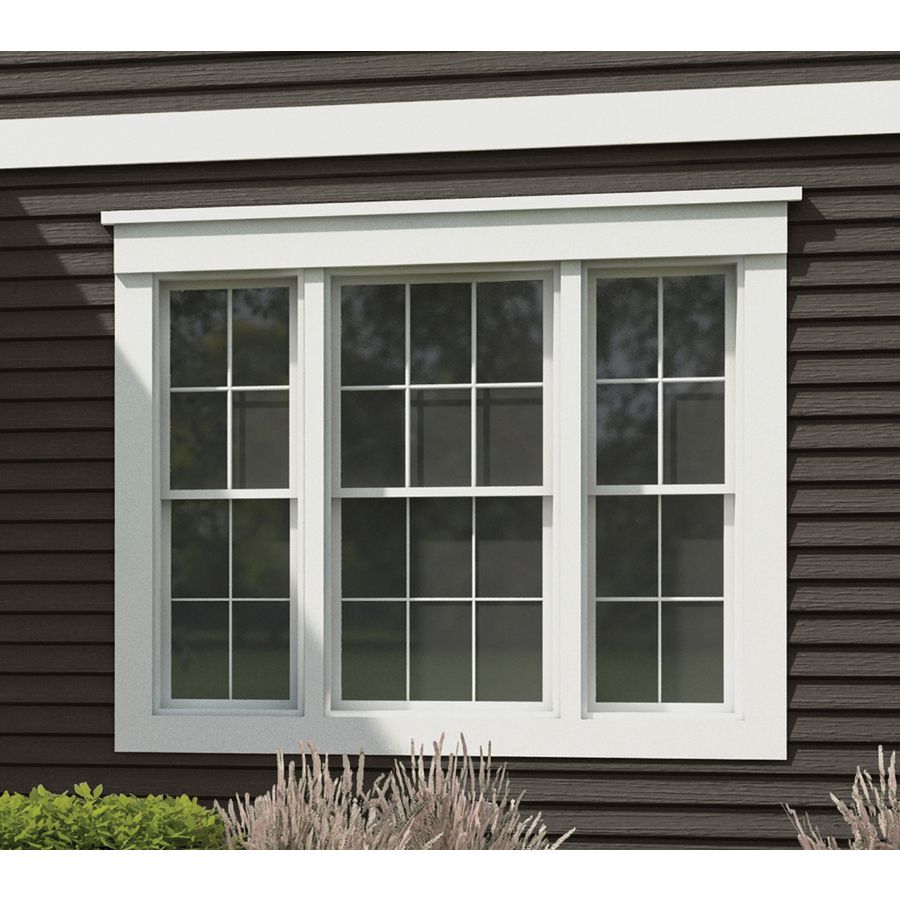
When it comes to enhancing the overall aesthetic of a home's exterior, the design of the exterior siding trim plays a crucial role. Here are some creative design options and tips for coordinating siding colors with trim for a cohesive look.
Creative Design Options
- Board and Batten: This classic style features wide boards with narrow strips (battens) covering the seams, creating a rustic and charming look.
- Shingle Style Trim: Mimicking the appearance of shingles, this trim style adds texture and visual interest to the exterior of a home.
- Colonial Revival Trim: Inspired by traditional colonial architecture, this trim style includes crown molding, dentil molding, and other intricate details for a sophisticated look.
- Modern Minimalist Trim: Clean lines, simple profiles, and neutral colors characterize this trim style, perfect for contemporary homes.
Enhancing Aesthetic Appeal
- Contrast: Choose a trim color that contrasts with the siding color to make the trim stand out and highlight architectural features.
- Complement: Coordinate the trim color with other elements of the home, such as the roof, doors, and shutters, for a cohesive and polished look.
- Focal Points: Use trim to draw attention to specific areas of the home, such as windows, doors, or gables, to create visual interest.
Coordinating Siding Colors with Trim
- Monochromatic: Opt for a monochromatic color scheme by choosing a trim color that is a shade lighter or darker than the siding color for a subtle and sophisticated look.
- Contrasting Colors: Experiment with contrasting colors for a bold and eye-catching effect, but make sure the colors complement each other to avoid clashing.
- Natural Tones: Consider using natural wood tones for trim to add warmth and texture to the exterior of the home, especially for rustic or traditional styles.
Ultimate Conclusion
As we conclude our discussion on exterior siding trim, it's clear that this often-overlooked element plays a crucial role in enhancing the overall look and durability of a home's exterior. By understanding the different types of trim, mastering the installation process, and staying on top of maintenance tasks, homeowners can elevate the curb appeal and value of their property.
Whether you prefer a classic wood trim or a modern metal option, there are endless possibilities to explore in the world of exterior siding trim.
FAQ Compilation
What are the main types of exterior siding trim materials?
The main types include wood, vinyl, fiber cement, and metal trim, each with its own set of advantages and disadvantages.
How can I ensure a seamless installation of exterior siding trim?
To ensure a smooth installation, make sure to measure accurately, use proper tools, and follow manufacturer guidelines closely.
What maintenance tasks are recommended for exterior siding trim?
Regular cleaning, inspections for damage, and repainting when necessary are key maintenance tasks to prolong the lifespan of siding trim.
How can exterior siding trim enhance the overall aesthetic of a home?
By choosing the right trim styles and coordinating colors effectively, exterior siding trim can complement the architectural features of a home and create a cohesive look.