As repairing siding takes center stage, this opening passage beckons readers with casual formal language style into a world crafted with good knowledge, ensuring a reading experience that is both absorbing and distinctly original.
Siding plays a crucial role in safeguarding a home's exterior, shielding it from the elements and enhancing its visual appeal. Neglecting siding repairs can lead to costly consequences and diminish the overall value of your property. Let's delve into the essential aspects of maintaining well-repaired siding for a lasting impression.
Importance of Repairing Siding
When it comes to protecting a home's exterior, siding plays a crucial role. It acts as a shield against the elements, preventing moisture from seeping into the walls and causing damage. By keeping siding in good repair, homeowners can safeguard their property from potential issues down the line.
Neglecting siding repairs can lead to a host of problems. Water damage, mold growth, and even structural issues can arise if damaged siding is not addressed promptly. Not only can this compromise the integrity of the home, but it can also result in costly repairs that could have been avoided with regular maintenance.
Benefits of Maintaining Well-Repaired Siding
- Enhanced Curb Appeal: Well-maintained siding can significantly boost the overall appearance of a home, increasing its curb appeal and making it more attractive to potential buyers.
- Property Value: By keeping siding in good condition, homeowners can preserve and even increase the value of their property. A well-maintained exterior speaks volumes about the care and maintenance of the entire home.
- Longevity: Investing in siding repairs can prolong the lifespan of the material, saving homeowners money in the long run by avoiding premature replacement.
Common Types of Siding Damage
When it comes to siding damage, there are several types that homeowners should be aware of. These damages can occur due to various factors, including weather conditions and age of the siding.
Cracks
Cracks in siding are a common issue that can occur over time. This type of damage is often caused by exposure to extreme temperatures, leading to expansion and contraction of the material.
Rot
Rot is another common problem that can affect siding, especially in areas with high moisture levels. This type of damage can weaken the structure of the siding and lead to further issues if not addressed promptly.
Warping
Warping of siding is often caused by prolonged exposure to sunlight and moisture. This can cause the siding to lose its shape and integrity, affecting the overall appearance of the home.
Weather Conditions Impact
Weather conditions play a significant role in the condition of siding. Extreme heat, cold, rain, and snow can all contribute to the deterioration of siding materials over time.
Signs for Siding Repair
There are several signs that indicate siding repair is needed, such as peeling paint, mold growth, visible cracks or warping, and increased energy bills due to poor insulation. It is essential to address these issues promptly to prevent further damage to your home.
DIY Siding Repair Techniques
When it comes to minor siding damage, you can save time and money by tackling the repairs yourself. Here are some step-by-step instructions, tools, materials, and safety precautions to consider when repairing siding.
Step-by-Step Guide for Repairing Minor Siding Damage
- Start by cleaning the damaged area to remove any dirt or debris.
- Assess the extent of the damage and determine if any underlying issues need to be addressed.
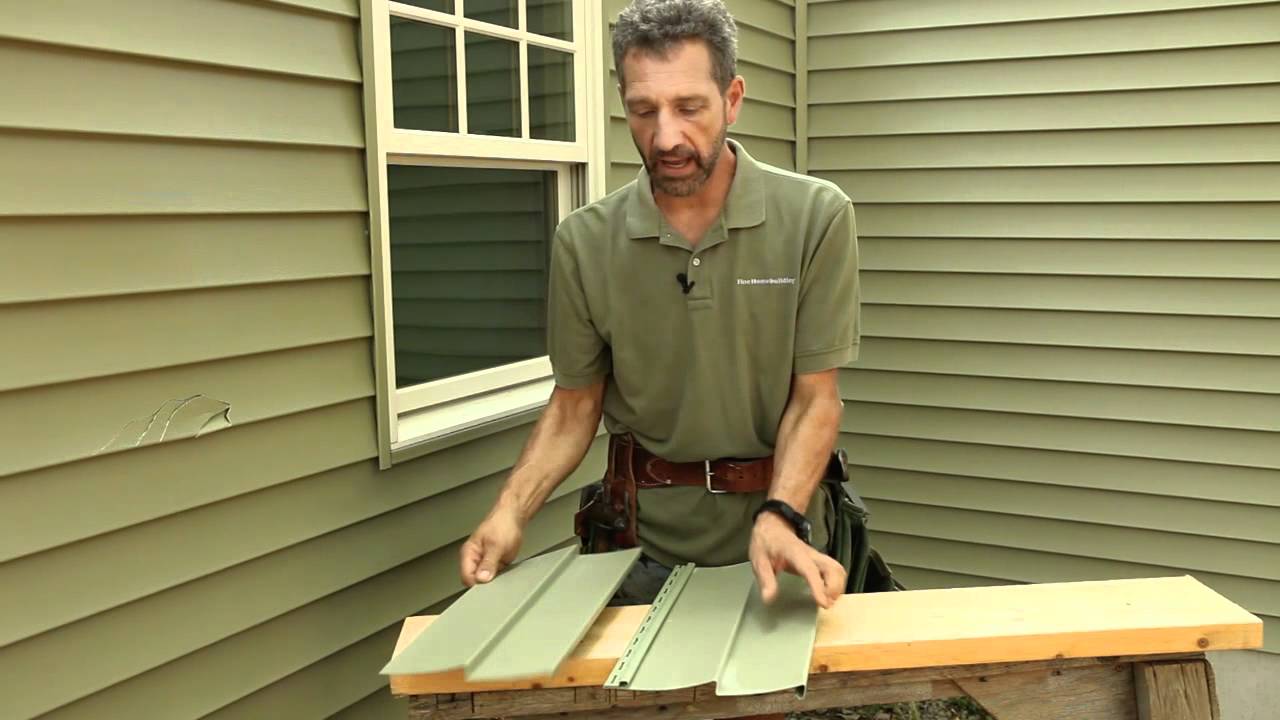
- Cut out the damaged section of siding using a utility knife or a saw, making sure to follow the lines for a clean cut.
- Measure and cut a new piece of siding to fit the space, ensuring it matches the existing siding in color and style.
- Slide the new piece of siding into place and secure it with nails or screws, making sure to leave room for expansion and contraction.
- Finally, caulk around the edges of the new siding to seal out moisture and prevent water damage.
Tools and Materials Needed for DIY Siding Repairs
- Utility knife or saw for cutting the siding
- New siding piece that matches the existing siding
- Nails or screws for securing the new siding
- Caulk for sealing around the edges
- Ladder or scaffolding for reaching high areas
Safety Precautions for Repairing Siding
- Wear safety goggles and gloves to protect your eyes and hands from debris.
- Use a sturdy ladder or scaffolding to reach high areas safely.
- Avoid working in wet or windy conditions to prevent accidents.
- Be cautious when handling sharp tools and materials to avoid injuries.
Hiring Professionals for Siding Repairs

When it comes to siding repairs, hiring a professional can have several advantages over attempting a do-it-yourself (DIY) approach. Professionals bring expertise, experience, and proper tools to the job, ensuring a high-quality repair that lasts. In this section, we will explore the benefits of hiring professionals, the importance of choosing a reputable siding repair contractor, and provide tips for selecting the right professional for your siding repair needs.
Advantages of Hiring Professionals
- Professional expertise and experience ensure quality repairs.
- Proper tools and materials are used for long-lasting results.
- Professionals can identify underlying issues that may go unnoticed in a DIY repair.
Choosing a Reputable Siding Repair Contractor
It is crucial to select a reputable siding repair contractor to ensure the job is done correctly and efficiently. Look for contractors with positive reviews, proper licensing and insurance, and a proven track record of successful siding repairs.
Tips for Selecting the Right Professional
- Ask for recommendations from friends, family, or neighbors who have had siding repairs done.
- Research online reviews and ratings of potential contractors.
- Obtain multiple quotes to compare pricing and services offered.
- Inquire about warranties or guarantees on the repair work.
- Ensure the contractor communicates clearly and is responsive to your questions and concerns.
Conclusive Thoughts

In conclusion, ensuring your siding is well-maintained and promptly repaired is key to preserving your home's integrity and beauty. By staying vigilant and addressing any signs of damage promptly, you can protect your investment and enhance your property's curb appeal for years to come.
Query Resolution
What are the signs that indicate siding repair is needed?
Common signs include peeling paint, mold growth, loose or missing siding panels, and visible cracks or warping. It's important to address these issues promptly to prevent further damage.
What tools and materials are needed for DIY siding repairs?
Basic tools like a hammer, nails, a pry bar, and a caulking gun are essential. Materials may include replacement siding panels, paint, caulk, and wood filler, depending on the type of repair needed.