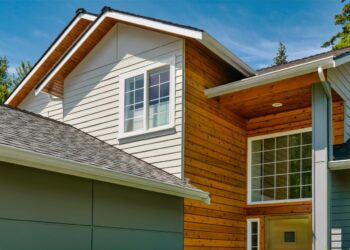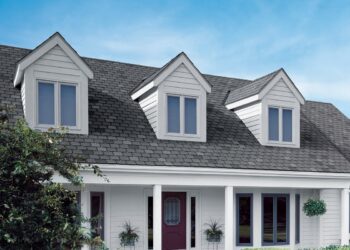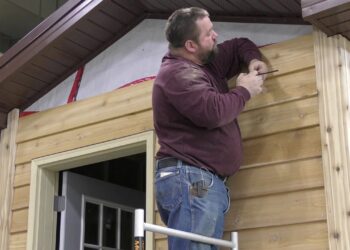
Staccato board siding, a versatile and visually appealing option for exterior cladding, brings a touch of elegance to any structure. In this exploration, we delve into the world of staccato board siding, uncovering its unique characteristics and the myriad of benefits it offers.
As we journey through the nuances of staccato board siding, you'll discover the different types available, the installation process, maintenance tips, and more, painting a comprehensive picture of this architectural gem.
Overview of Staccato Board Siding

Staccato board siding is a type of exterior cladding material commonly used in construction. It is known for its distinctive look that resembles the appearance of wood siding, but with added durability and low maintenance benefits.Staccato board siding is typically made from a composite material, such as fiber cement or engineered wood, which gives it the strength to withstand harsh weather conditions and resist rot, decay, and pests.
This makes it a popular choice for homeowners looking for a long-lasting and cost-effective siding option.
Characteristics and Features of Staccato Board Siding
Staccato board siding offers various features and characteristics that make it a desirable choice for many construction projects. These include:
- Durability: Staccato board siding is resistant to rot, decay, and pests, making it a long-lasting option for exterior cladding.
- Low Maintenance: Unlike traditional wood siding, staccato board siding requires minimal upkeep, such as painting or staining, to maintain its appearance.
- Versatility: Staccato board siding comes in a variety of colors and finishes, allowing for customization to suit different architectural styles and preferences.
- Weather Resistance: Staccato board siding can withstand extreme weather conditions, including high winds, heavy rain, and intense sunlight, without warping or fading.
Common Applications of Staccato Board Siding
Staccato board siding is commonly used in various construction applications, including:
- Residential Homes: Staccato board siding is a popular choice for residential properties due to its durability, low maintenance, and aesthetic appeal.
- Commercial Buildings: Many commercial buildings opt for staccato board siding for its versatility, weather resistance, and long-term cost savings.
- Multi-family Housing: Staccato board siding is also utilized in multi-family housing projects for its durability and customizable options to fit different architectural designs.
Types of Staccato Board Siding
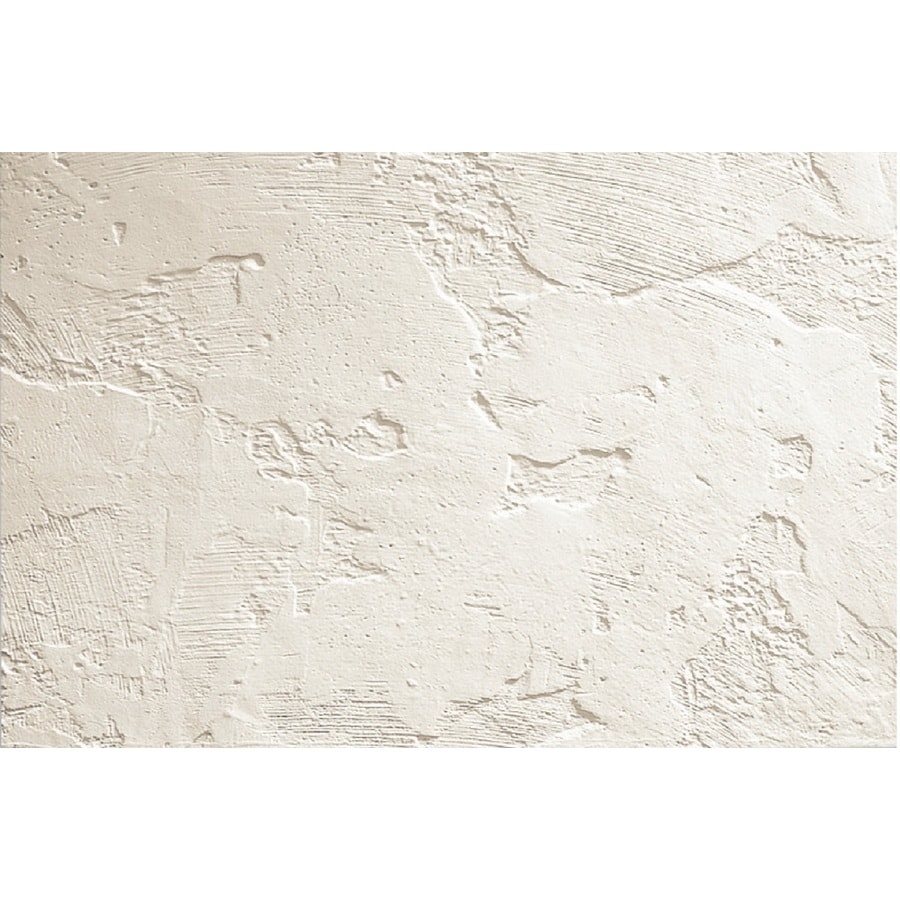
When it comes to staccato board siding, there are several types available in the market, each with its own unique features and benefits. Understanding the different types can help you make an informed decision based on your specific needs and preferences.
Fiber Cement Staccato Board Siding
Fiber cement staccato board siding is a popular choice due to its durability and low maintenance requirements. It is resistant to fire, insects, and rot, making it a long-lasting option for homeowners. Additionally, fiber cement siding comes in a variety of colors and styles, allowing for customization to match the aesthetic of any home.
Vinyl Staccato Board Siding
Vinyl staccato board siding is known for its affordability and ease of installation. It is also low maintenance, requiring only occasional cleaning with soap and water. While not as durable as fiber cement, vinyl siding is still a good option for those looking for a budget-friendly and attractive siding solution.
Wood Staccato Board Siding
Wood staccato board siding offers a natural and rustic look that many homeowners find appealing. It can be painted or stained to achieve different finishes, giving homeowners the flexibility to change the look of their home over time. However, wood siding requires more maintenance than other types, as it is prone to rot, insects, and moisture damage if not properly cared for.Overall, the choice of staccato board siding will depend on factors such as budget, maintenance preferences, and desired aesthetic.
It's important to weigh the features and benefits of each type to determine which option aligns best with your needs and lifestyle.
Installation Process of Staccato Board Siding
Installing staccato board siding can enhance the look and durability of your home. Follow this step-by-step guide to ensure a successful installation.
Gather Necessary Tools and Materials
Before starting the installation process, make sure you have the following tools and materials ready:
- Staccato board siding
- Tape measure
- Pencil
- Level
- Hammer
- Nails
- Circular saw
- Protective gear (gloves, goggles, etc.)
Installation Steps
- Prepare the surface: Ensure the surface where the staccato board siding will be installed is clean, smooth, and dry.
- Measure and cut the siding: Use a tape measure and circular saw to measure and cut the siding to the appropriate size.
- Install the corner pieces: Start by installing the corner pieces of the siding, ensuring they are level and plumb.
- Begin siding installation: Start at one corner of the wall and work your way across, overlapping each piece slightly to prevent water infiltration.
- Nail the siding: Secure the siding in place using nails, making sure to leave a small gap between the siding and the wall for expansion.
- Finish the installation: Trim any excess siding and ensure all pieces are securely in place.
Tips for Successful Installation
- Follow manufacturer instructions: Always refer to the manufacturer's guidelines for the specific installation requirements of the staccato board siding.
- Work in dry conditions: Avoid installing siding during wet or humid weather to prevent moisture-related issues.
- Use proper safety gear: Protect yourself with gloves, goggles, and other safety equipment to prevent injuries during the installation process.
Maintenance and Care of Staccato Board Siding
Regular maintenance is essential to ensure the longevity and visual appeal of staccato board siding. Proper care can help protect it from various elements and preserve its integrity over time.
Routine Maintenance
- Inspect the siding regularly for any signs of damage, such as cracks, warping, or discoloration.
- Clean the siding at least once a year using a mild detergent and water solution to remove dirt, debris, and mildew.
- Trim any vegetation near the siding to prevent moisture build-up and potential damage.
- Check for gaps or openings where pests could enter and seal them to avoid infestations.
Cleaning and Protection
- Use a soft brush or cloth to gently scrub the siding during cleaning to avoid scratching the surface.
- Avoid pressure washing staccato board siding, as high pressure can damage the material and finish.
- Apply a fresh coat of paint or sealant every few years to protect the siding from UV rays and moisture.
- Consider installing gutters and downspouts to redirect water away from the siding and prevent water damage.
Repairing Damages
- Address any minor cracks or chips in the siding promptly to prevent further damage.
- Replace any severely damaged boards to maintain the structural integrity of the siding.
- Consult a professional if you notice extensive damage or issues with the siding that require specialized repair.
Closing Summary
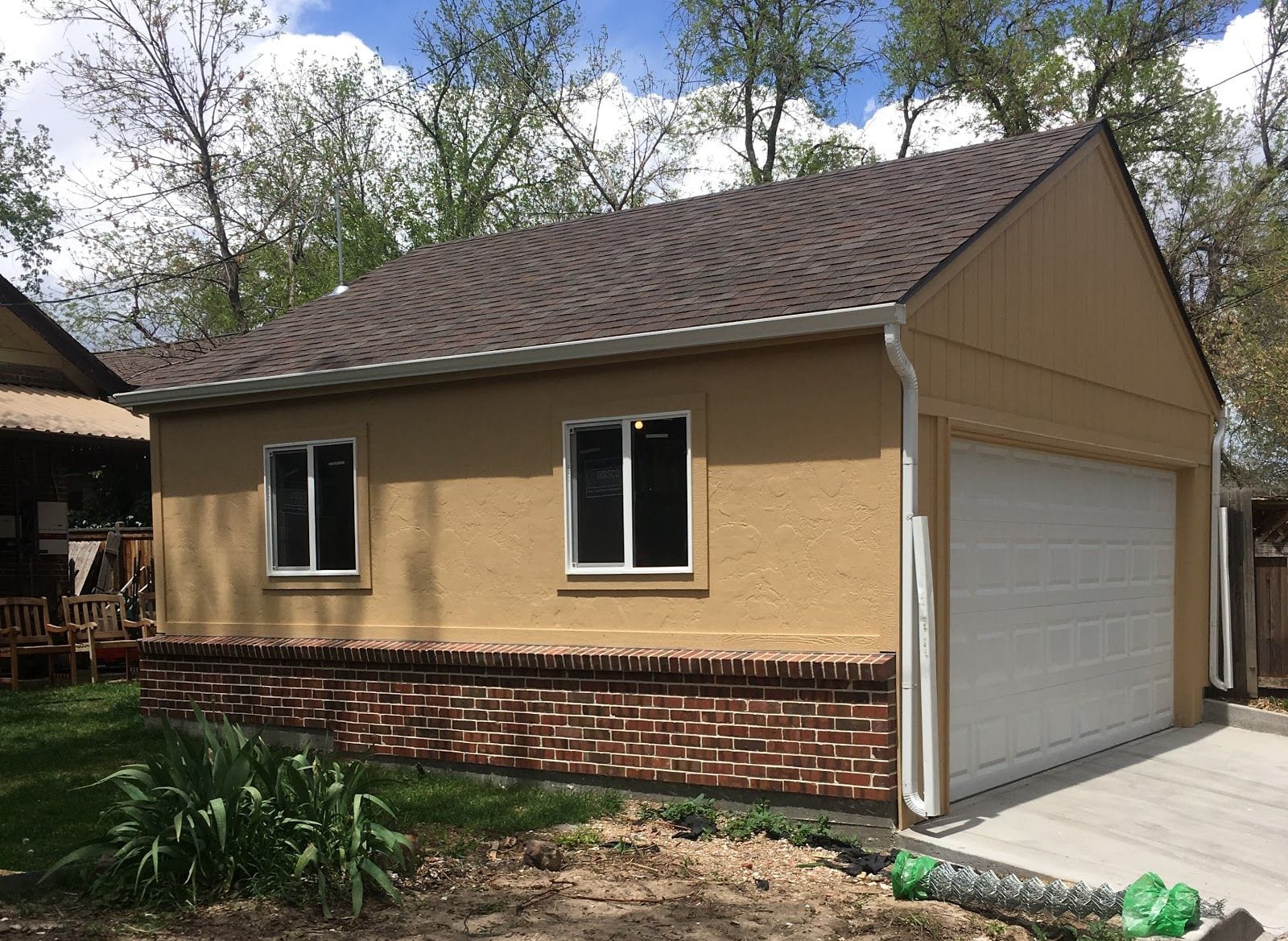
In conclusion, staccato board siding emerges as a standout choice for those seeking a blend of style and functionality in their construction projects. With its durability, easy maintenance, and aesthetic appeal, staccato board siding proves to be a timeless investment for enhancing the look and longevity of any building.
Quick FAQs
What are the typical characteristics of staccato board siding?
Staccato board siding is known for its durability, resistance to rot and pests, and its ability to mimic the look of traditional wood siding without the maintenance drawbacks.
How do you install staccato board siding?
The installation process involves proper measuring, cutting, and fastening of the boards to create a seamless finish. It's advisable to follow manufacturer guidelines for best results.
What maintenance is required for staccato board siding?
Regular cleaning with mild soap and water, along with inspections for any damage, is essential to maintain the integrity of staccato board siding. Periodic touch-ups may be needed to address any wear and tear.